Russia’s diabetes strategy combines free appointments, regional programs, and locally produced glucose sensors
Many people think that diabetes is something like gout – that it primarily affects people with a poor diet or a sweet tooth.
The idea, besides being annoying for doctors and diabetics themselves, is also dangerous. It leads many to believe that only those who eat donuts and drink coffee with lots of sugar are at risk. In reality, diabetes poses a threat to almost everyone in the modern world.
According to the World Health Organization, the number of people worldwide with diabetes rose from 200 million to 830 million between 1990 and 2022, and the number of adults diagnosed with diabetes doubled from 7% to 14%. The number of cases is expected to surge further, driven by the realities of modern life.
This presents a genuine challenge for public health officials worldwide. Some nations are already managing the crisis more effectively than others.
To begin with, it is important to note that there are two types of diabetes. In type 1 diabetes, the immune system mistakenly destroys the insulin-producing cells in the pancreas. The body virtually stops producing insulin, and the person requires daily insulin injections.
Type 1 diabetes often develops during childhood or young adulthood, though it can appear at any age. It is not caused by a high-sugar diet or excess weight.
In type 2 diabetes, the body typically continues to produce insulin, but the cells respond poorly to it – a condition known as insulin resistance. Over time, the pancreas may become exhausted and produce progressively less insulin.
While a poor diet can contribute to the disease, factors like genetics, being overweight, a sedentary lifestyle, and age put one at greater risk, though young or slim individuals increasingly suffer from diabetes as well.
The key difference is that in type 1 diabetes, the body produces virtually no insulin, whereas in type 2, insulin is present but the body fails to utilize it effectively. Type 1 diabetes always requires insulin therapy; type 2 diabetes can sometimes be managed for a long time through diet, physical activity, and oral medication, though some patients eventually require insulin as well.
Type 1 diabetes is virtually impossible to prevent. Type 2 is technically preventable, but difficult to avoid, because most people are even unaware of the danger it poses. Furthermore, its development is fueled by modern lifestyles.
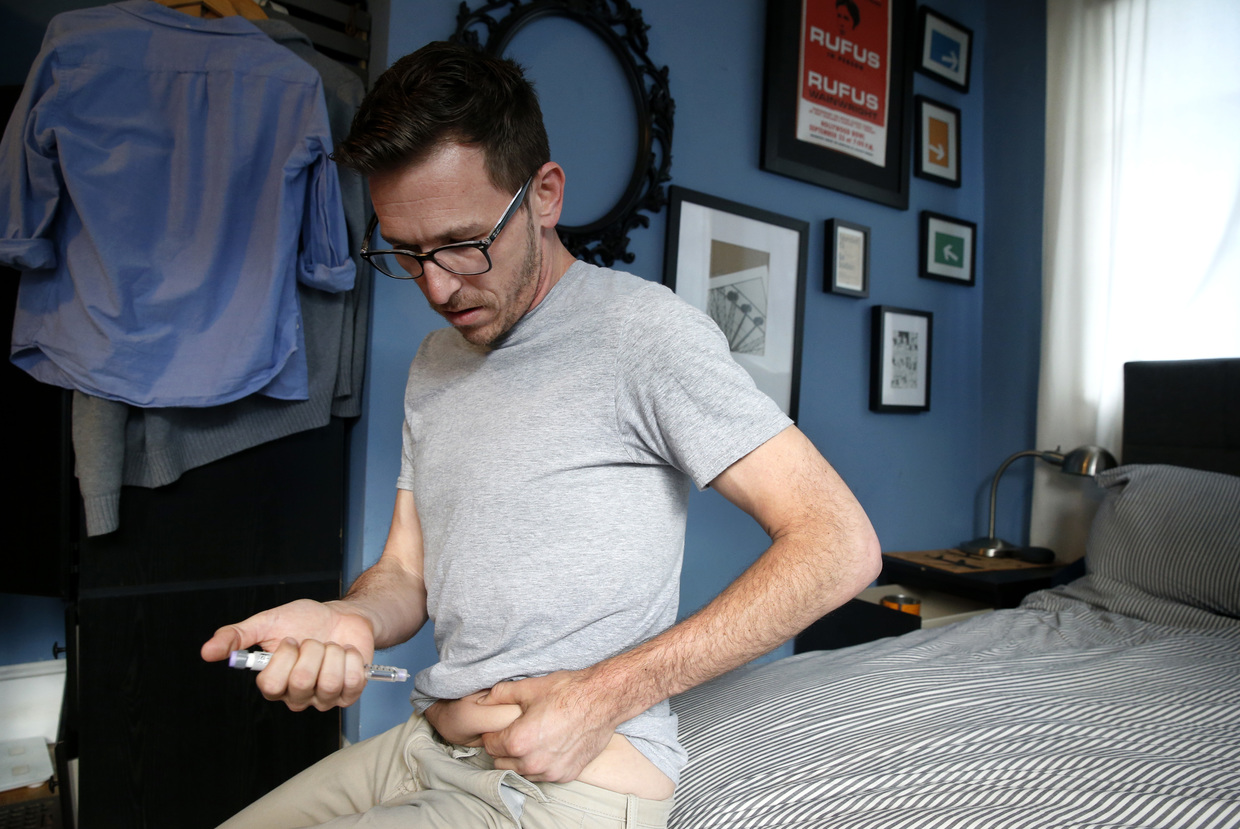
Mike Lawson injects insulin to control his Type 1 diabetes, Oakland, California, April 16, 2019.
Such a diagnosis is by no means a death sentence. In reality, having diabetes means a person must regularly monitor their blood sugar levels and make timely adjustments to their diet and medication. Moreover, a person often doesn’t have to totally exclude the consumption of sugar; sometimes, it is even necessary to maintain balance.
If acute crises are avoided, the life of a diabetic differs little from that of other people. However, this requires the right infrastructure.
Since a lot depends on healthcare institutions, one might expect Western countries to be good at managing diabetes. Unfortunately, that’s not the case.
In the US, for example, due to the national healthcare model, insulin rationing is common. CDC studies have shown that approximately 25% of adults with diabetes reported cutting back on insulin use due to its cost. Skipping or reducing insulin doses leaves diabetics vulnerable and increases the risk of hospitalization, a sharp decline in health, and even death.
Complaints regarding a shortage of glucose meters, test strips, and other diabetic supplies are common in the US. Yet, even if patients had everything they needed, the problem would remain acute.
The US medical system is geared toward diagnosing and treating diseases rather than providing long-term patient support. Diabetes, however, cannot be cured; it stays with a person for life. The duration – and comfort – of life largely depends on regular check-ups and medical consultations.
Wealthy patients can secure a relatively safe and comfortable existence for themselves. However, those on a tighter budget and people without medical insurance (about 11% of Americans) remain highly vulnerable.
Lack of access to doctors isn’t the only problem. Studies show that in many parts of the US, living conditions contribute to diabetes. For example, insufficient dietary variety, a lack of large retailers, high electricity costs, and other factors can increase the risk of developing the disease.
And, of course, a sedentary lifestyle poses a major threat. About a quarter of Americans engage in no physical activity outside of work. Many also sit for more than eight hours a day. With such a lifestyle, diabetes is almost guaranteed.
Europe faces the same issues, plus two others: a shortage of doctors and a rapidly aging population. According to OECD estimates, over 40% of Europeans over the age of 65 suffer from at least two chronic conditions. The number of patients is rising, while the time for long-term monitoring and preventive care is shrinking.
There are also challenges that medicine alone cannot solve: obesity, mental health disorders, antibiotic resistance, new emerging infections, aging, climate-related risks, and vaccine hesitancy. Addressing these issues requires coordinated action from the state, the business sector, educational institutions, and the people themselves. While Europe and the US possess the necessary technology and resources, the complexity of modern problems often outpaces the speed at which systems can adapt.
However, the battle is far from lost. Around the world, there are examples of countries that successfully manage diabetes. Russia is one of them.
Unsugared pill
In Russia, approximately 6 million people have been diagnosed with diabetes. Russia is not immune to the problems of the West, such as sedentary lifestyles, unhealthy diets, and inconsistent infrastructure. The differences lie in the approach to managing the disease.
Firstly, while free medicine has its shortcomings, few would dispute its effectiveness in managing chronic conditions. Patients can schedule doctor appointments or lab tests at any time to check their health status and receive medical advice – all at no cost. It is also worth noting that many medications and medical supplies are provided to patients free of charge.
Secondly, the government has recognized the problem. The authorities realized that without active intervention, millions more could be diagnosed with diabetes, and took matters into their own hands. And the effort goes beyond simply promoting a healthy lifestyle and revising school cafeteria menus.
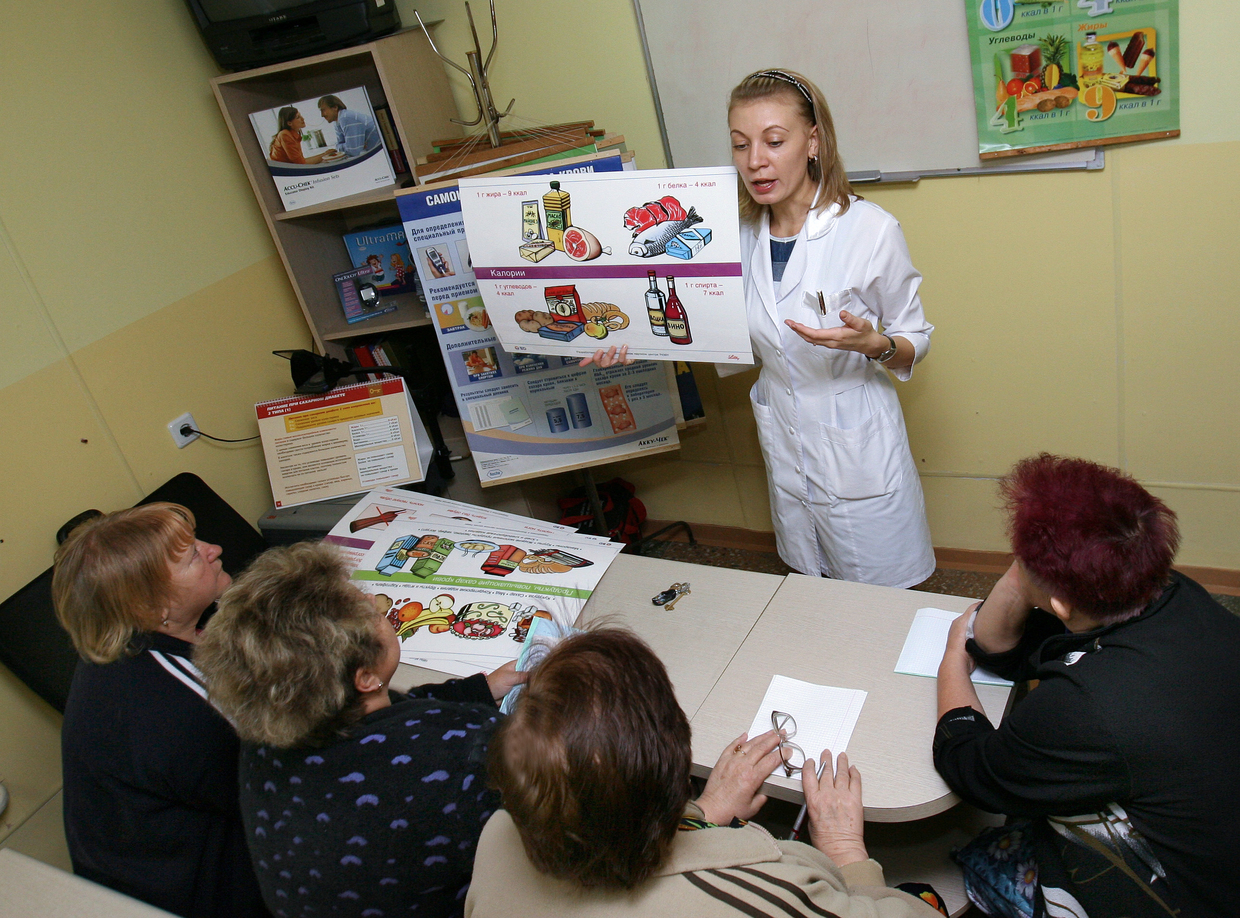
A Diabetes School classroom, Vladivostok, Russia, November 13, 2009.
One of the key government initiatives was the launch of the Combating Diabetes federal project in 2023. All 89 regions are required to implement their own programs integrating diabetes prevention, early diagnosis, ongoing clinical monitoring, the treatment of complications, patient education, and the development of endocrinology services.
Additionally, Russia has opened over 1,600 “diabetes schools,” purchased more than 1,200 glycated hemoglobin analyzers, and trained over 1,000 doctors and mid-level medical specialists. Furthermore, 262 district and inter-district endocrinology centers are set to be equipped by 2030.
However, Russia’s strategy relies not only on institutions but also on technology.
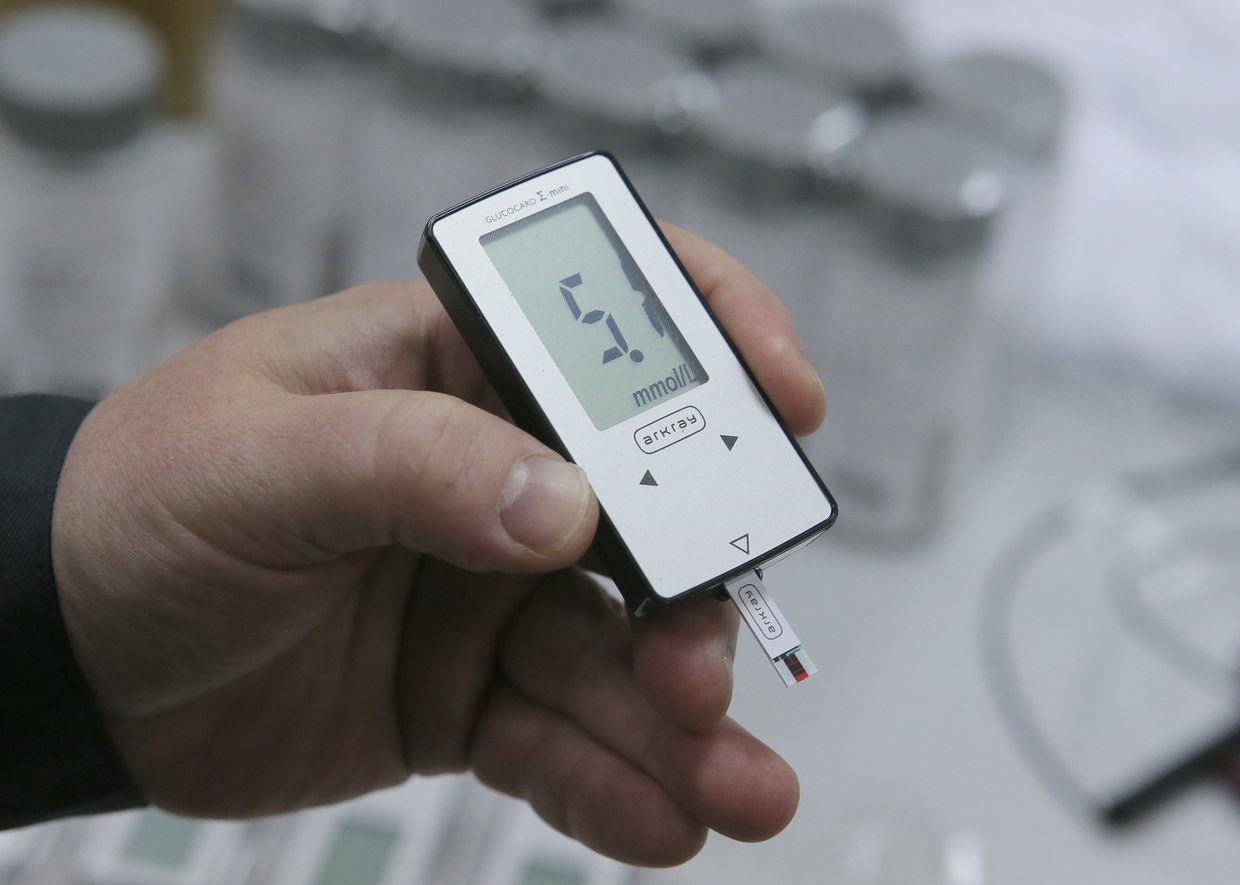
Every diabetic is familiar with the glucometer – a device that draws blood from the fingertip and quickly analyzes glucose levels. It is a convenient, reliable way to assess health status and determine whether medical intervention is needed.
Glucometers have two downsides, though. First, the test requires a clean, quiet environment; checking one’s glucose levels outdoors or in the middle of an office is inconvenient and potentially risky. Plus, the test reflects the patient’s condition at a single moment in time, without showing the dynamics over time. Not to mention that many people hate pricking their fingers.
Continuous glucose monitoring (CGM) devices solve these problems. The small sensors are attached to the skin and passively track sugar levels, which can be viewed via an app. A sensor has to be replaced about every two weeks.
As a rule, these wearables are slightly less accurate than glucometers. However, their purpose is different: They track how glucose levels change over time. This allows doctors and patients to observe the body’s individual reactions to food, physical activity, and other stimuli, making adjustments to ensure the most comfortable lifestyle. CGM devices are also highly popular among parents of children with diabetes, as they allow them to monitor their child’s health remotely via an app.
Overall, glucose monitoring devices are one of the best ways to care for people with diabetes. They simplify health monitoring, eliminate the risk of sudden crises, and allow patients to live with greater peace of mind. In Russia, these devices are provided free of charge to children and pregnant women.
An Arkray company glucometer, Dubna, Russia, June 22, 2017.
However, other diabetics need these devices as well, and shortages sometimes occur in certain regions. This is where the business sector steps in.
For a long time, the Russian CGM market relied on imports. This situation was often exploited to inflate prices. Recently, however, the company Saynoke Trade (the local partner for Sinocare) opened a large CGM manufacturing facility in Primorsky Region (in the Russian Far East) with the support of the local authorities.
The company acquired the technology from China and subsequently adapted production to utilize Russian machinery and software. The company plans to focus on the domestic market, aiming to provide Russians with affordable, reliable, and low-cost sensors.
“If we know that this technology helps people and improves their lives, how can we fail to provide it to everyone who needs it?” – Viktor Valuev, Saynoke Trade CEO.
We tend to think that we live in the safest and healthiest era in human history. And indeed, modern medicine can treat many diseases that were once fatal.
At the same time, however, this new world has made us vulnerable to other risks – ones that many people are unwilling to acknowledge. This is partly because modern living conditions foster diseases that appear harmless at first.
A great deal depends on the plans governments choose now to fight diabetes, from the size of their healthcare budgets to the health of entire generations. And as time goes on, it is becoming increasingly clear that neoliberal healthcare is failing to meet the challenge.