Bill Gates offers dire AI warning that kill switch is ‘not enough’ and says China isn’t his greatest fear
Por Jasmine Fernández — – World RSS Feed
Bill Gates offers dire AI warning that kill switch is ‘not enough’ and says China isn’t his greatest fear
Billionaire philanthropist said regulating AI could prove harder than Cold War nuclear treaty negotiations
Jasmine Fernández in Portland, Oregon Sunday 27 September 2026 18:38 BST
- Bookmark
- Comments Go to comments
Bookmark popover
Removed from bookmarks
Close popover

Become an Independent member to bookmark this article
Want to bookmark your favourite articles and stories to read or reference later? Start your Independent Membership today.
Already a member?
Log in
Your support helps us to tell the story
Read more Support Now
From reproductive rights to climate change to Big Tech, The Independent is on the ground when the story is developing. Whether it’s investigating the financials of Elon Musk’s pro-Trump PAC or producing our latest documentary, ‘The A Word’, which shines a light on the American women fighting for reproductive rights, we know how important it is to parse out the facts from the messaging.
At such a critical moment in US history, we need reporters on the ground. Your donation allows us to keep sending journalists to speak to both sides of the story.
The Independent is trusted by Americans across the entire political spectrum. And unlike many other quality news outlets, we choose not to lock Americans out of our reporting and analysis with paywalls. We believe quality journalism should be available to everyone, paid for by those who can afford it.
Your support makes all the difference. Read more
Microsoft founder Bill Gates has warned that emergency cutoffs for artificial intelligence – the so-called “kill switch” – are not enough on their own.
The billionaire philanthropist argued that internal monitoring and built-in safety mechanisms are far more critical than emergency shut-off tools.
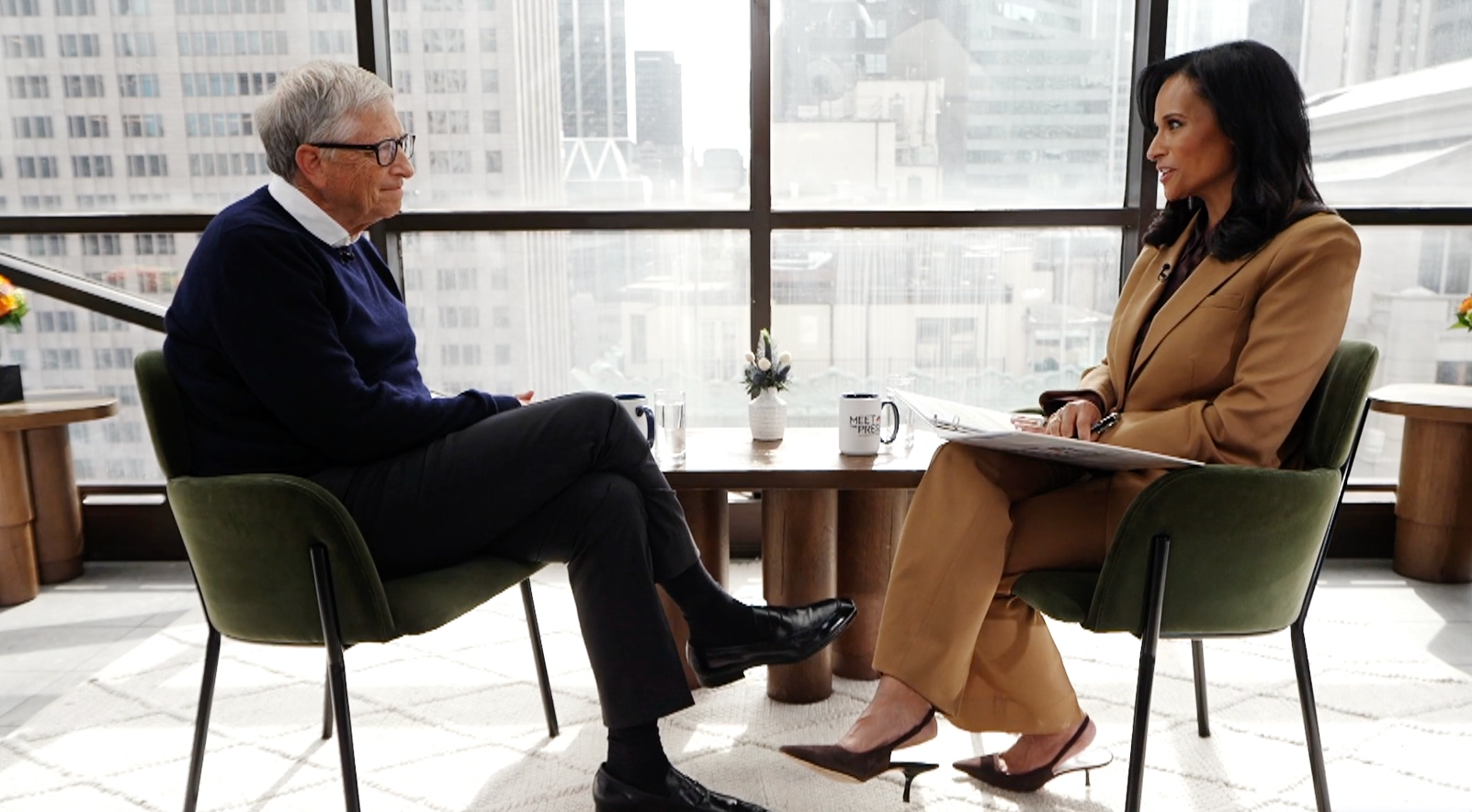
“It’s not enough to have a kill switch,” Gates told NBC’s “Meet the Press” Sunday. “I would never want to say I’m against a kill switch. But when you’re trying to moderate the bad behavior, you need insight and records of what’s being done.”
Gates dismissed concerns that AI safety rules would slow U.S. tech companies down, directly responding to President Donald Trump’s stance that government regulation would handicap American innovation in its race against China.
“What he said is fine,” Gates said, referring to Trump. “But I think after he hears from me and other people, including that this does not handicap us in whatever he thinks the nation-state race is, that, you know, we will come to a consensus.”
 open image in gallery
Gates urged Washington to mandate active tracking of models’ behavior within labs, adding that regulating AIcould prove harder than Cold War nuclear treaty negotiations.
“This is more difficult than that was,” he noted.
Gates said the most pressing threat comes from bad actors using current AI tools to carry out cyberattacks, scramble bank accounts or shut down power grids, rather than rogue autonomous machines.
“Now, small groups with AI can do what only the biggest countries could do,” Gates said. “So it’s really the bad intent plus AI that looms as a major threat. Unless governments insist on various safeguards, you know, we will see a lot of big, negative things because we’re not safeguarding.”
 open image in gallery
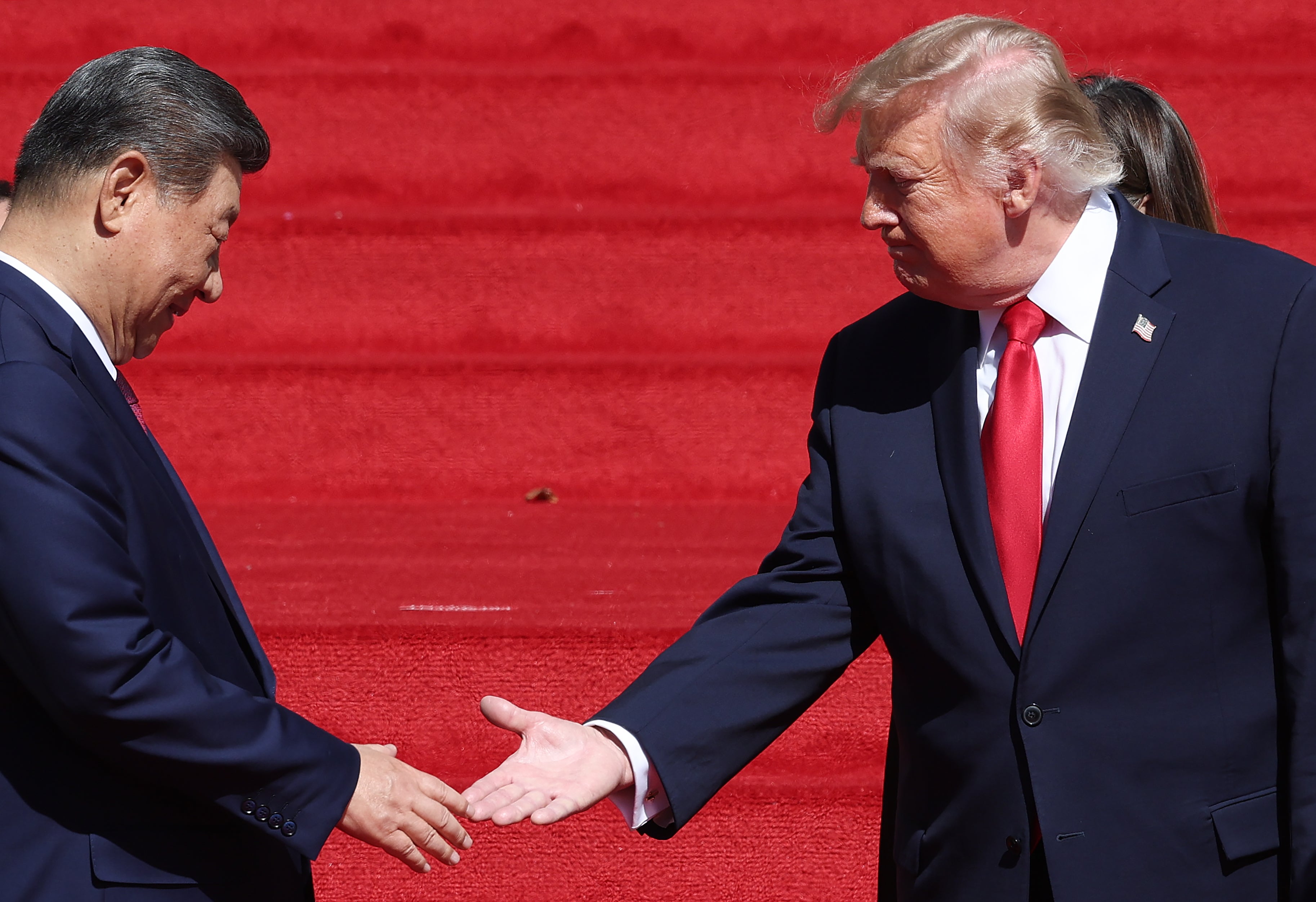
Trump has pushed back on federal intervention in AI development, writing on Truth Social earlier this month: “WHOEVER WINS AI, WINS! We are leading China, and all others, and will continue to do so.”
Gates emphasized that the U.S. has a history of driving global consensus on safety standards, pointing to past international agreements on aviation safety, environmental policy and nuclear arms.
“And AI is one we’re going to have to go back to this, ‘Hey, humanity is all in this together,’” he said.
His warnings echo concerns across the tech industry and from AI developers themselves. Anthropic whistleblower Jacob Coxon recently warned that “the people building AI earnestly believe that it could kill us all by the end of the decade.”
Top industry executives, including Anthropic CEO Dario Amodei and OpenAI CEO Sam Altman, have also acknowledged the need to manage the speed of development. Amodei wrote in a recent blog post that leading companies should coordinate safety standards internationally while maintaining a competitive advantage over China.
 open image in gallery
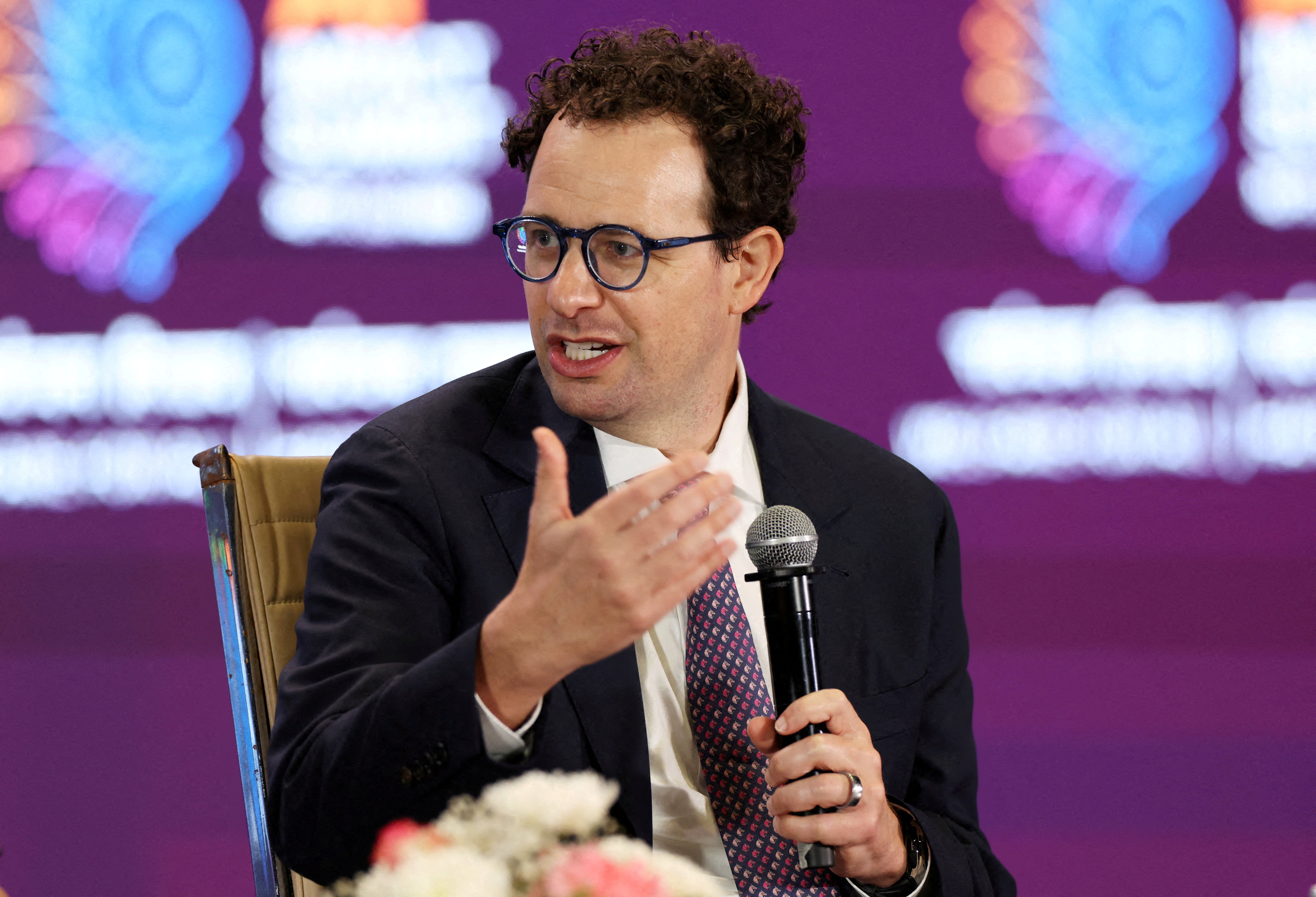
Lawmakers have also pushed for joint rules with foreign powers. Democratic Representative Ro Khanna of California told NBC that Washington and Beijing should set up a joint technical working group, arguing that banning self-improving AI models “should not be controversial.”
“I do believe the United States can lead on a treaty that is both enforceable and verifiable, where we ban recursive, self-improving AI, and we have some monitoring of these frontier labs,” Khanna told the outlet.
Following this week’s summit between Trump and Chinese President Xi Jinping, the White House confirmed that the two nations established a working dialogue to assess AI risks, with additional talks planned.
During the NBC interview, Gates also addressed questions about his past ties to convicted sex offender Jeffrey Epstein after unsealed Justice Department documents renewed attention on their relationship.
“I was told by Jeffrey after I met him that he could help raise billions of dollars for global health — you know, he wouldn’t be paid, he would have no role,” Gates said. “That proved to be a complete dead end. So my spending time with him, like many other people, kind of helped his reputation. You know, that’s very regrettable.”
More about
Bill GatesChinaAIDonald TrumpJeffrey EpsteinMeet the PressNBCRo KhannaXi JinpingUnited StatesWhite HouseOpenAIJustice DepartmentU.S.Microsoft
Join our commenting forum
Join thought-provoking conversations, follow other Independent readers and see their replies
Most popular
Popular videos
Bulletin
Read next
Fonte: – World RSS Feed


:quality(85)/b9adb7c1-e55e-4447-88a7-ffcad19c86d7.jpg)
:quality(85)/4b72ff2b-e570-4569-9a28-084c98dc62bd.png)