US is reopening its biggest livestock inspection port at the border, expanding America’s cattle supplies
Por Tom Polansek — – World RSS Feed
US is reopening its biggest livestock inspection port at the border, expanding America’s cattle supplies
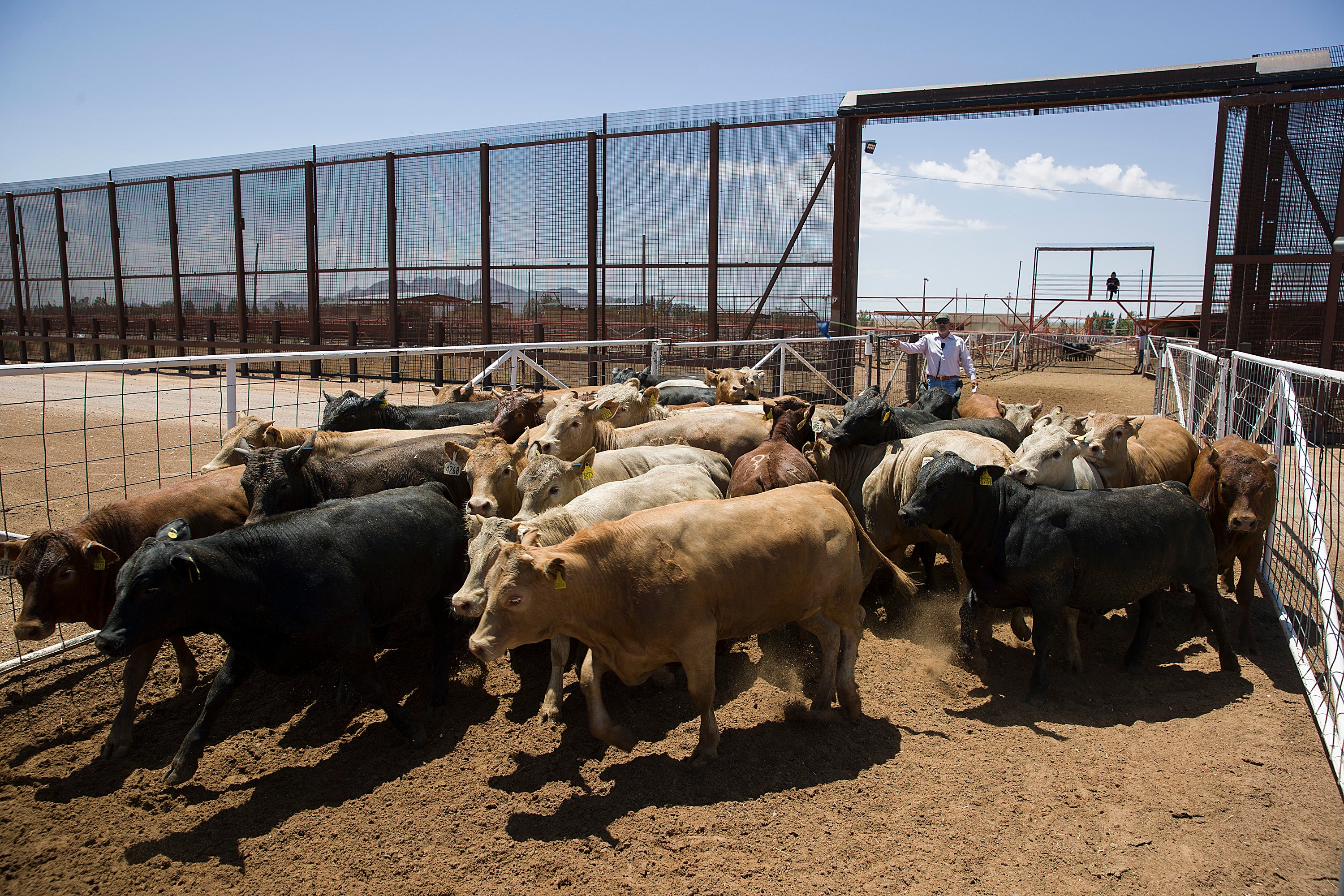
The US Department of Agriculture halted livestock trade at the port in Santa Teresa, New Mexico, last year to prevent the spread of the New World screwworm
Tom Polansek Thursday 24 September 2026 16:11 BST
- Bookmark
- Comments Go to comments
Bookmark popover
Removed from bookmarks
Close popover
 open image in gallery
Become an Independent member to bookmark this article
Want to bookmark your favourite articles and stories to read or reference later? Start your Independent Membership today.
Already a member?
Log in
Your support helps us to tell the story
Read more Support Now
From reproductive rights to climate change to Big Tech, The Independent is on the ground when the story is developing. Whether it’s investigating the financials of Elon Musk’s pro-Trump PAC or producing our latest documentary, ‘The A Word’, which shines a light on the American women fighting for reproductive rights, we know how important it is to parse out the facts from the messaging.
At such a critical moment in US history, we need reporters on the ground. Your donation allows us to keep sending journalists to speak to both sides of the story.
The Independent is trusted by Americans across the entire political spectrum. And unlike many other quality news outlets, we choose not to lock Americans out of our reporting and analysis with paywalls. We believe quality journalism should be available to everyone, paid for by those who can afford it.
Your support makes all the difference. Read more
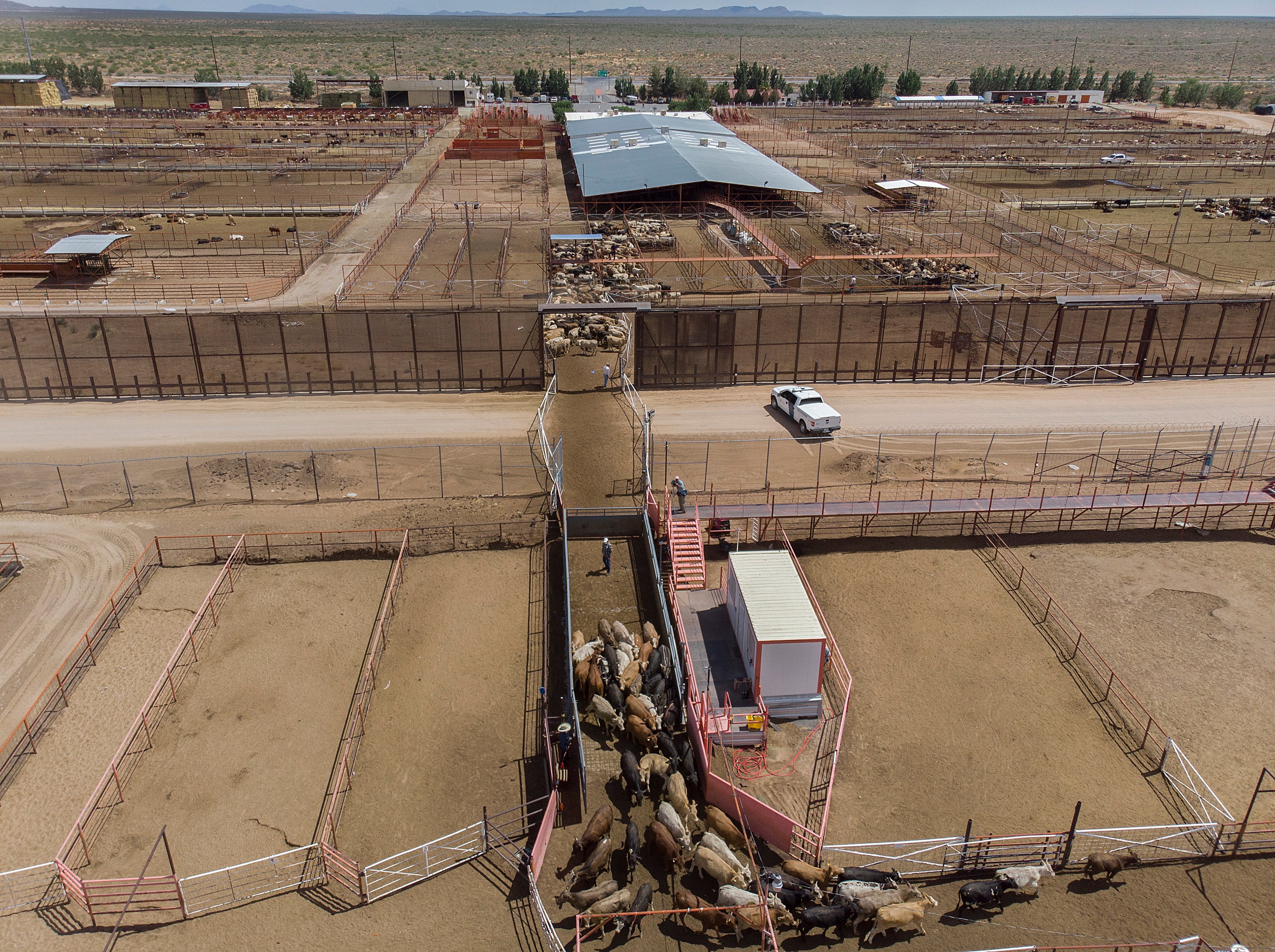
The main livestock inspection entry point on the US-Mexico border will reopen on Thursday, expanding domestic cattle supplies but failing to deliver an immediate drop in record-high beef prices, according to government and industry officials.
The US Department of Agriculture halted livestock trade at the port in Santa Teresa, New Mexico, last year to prevent the spread of the New World screwworm. A confirmed case in a Texas calf in June raised fears among ranchers and disturbed futures markets, but the pest has remained relatively contained.
The USDA determined that trade with Mexico can safely broaden, even as cases rise south of the border. The US currently has two active cases, including an infected horse in New Mexico situated roughly 160 miles from Santa Teresa.
High food costs continue to fuel economic concerns ahead of the November midterm elections, with the prior import ban helping push ground beef prices to a record near $7 a pound last month. President Donald Trump has struggled to lower retail prices despite introducing several measures, including low-tariff imports and an official probe into meatpackers.
 open image in gallery
Experts emphasized that the port reopening will not swiftly lower store prices because imported Mexican cattle take five to eight months to grow to slaughter weight. Furthermore, prolonged dry weather over the last seven years has forced US ranchers to maintain significantly smaller herds.
“There’s not going to be a change in beef supply from those cattle crossing the border anytime soon,” said Jeff Stolle, vice president of marketing for Nebraska Cattlemen, an industry group.
US cattle stocks dropped to 86.2 million in January, marking a 75-year low. American ranchers have long relied on Mexican livestock to bridge supply gaps, with Santa Teresa handling approximately 43 percent of these imports over the past five years.
Under revised USDA health protocols, daily cattle crossings at Santa Teresa are projected to range between 750 and 1,600 animals, down from a historical peak of around 3,000 per day.
“The percentage impact of that is not that great,” said New Mexico Agriculture Secretary Jeff Witte, adding that the shipments could nevertheless ease pressure on feedlots currently running below full capacity. A smaller crossing point in Douglas, Arizona, resumed imports a month ago and has processed roughly 6,500 cattle to date.
New Mexico authorities expressed confidence in the restart due to port inspection measures, minimal domestic cases, and the USDA’s release of sterile flies to suppress wild screwworm flies.
“This is not where I thought we would be at this point in the response, given how it was coming up through Mexico,” Witte said.
State Veterinarian Samantha Holeck said officials are investigating how the local horse became infested without traveling, noting the area is popular for outdoor trail riding and hunting. In Texas, experts suggest wild animals may be carrying the pest. Although the USDA has not trapped wild flies or formally confirmed wildlife cases, Texas Assistant State Veterinarian Thomas Lansford noted that sick small mammals often hide before dying.
“That means that population, if it’s still there, is very, very low in the environment,” Lansford said. The USDA plans to assess reopening another port in Columbus, New Mexico, next.
More about
us department of agricultureUS-Mexico borderUSDANew Mexico
Join our commenting forum
Join thought-provoking conversations, follow other Independent readers and see their replies
Most popular
Popular videos
Bulletin
Read next
Fonte: – World RSS Feed

