CIA warns Russia is preparing attacks on Spain, France or Italy with drones from the sea: report
Por James C. Reynolds — – World RSS Feed
CIA warns Russia is preparing attacks on Spain, France or Italy with drones from the sea: report
Lithuania says Russia could try to broaden its pressure on Nato countries through attacks on critical infrastructure including ports or airports
James C. Reynolds Thursday 24 September 2026 11:49 BST
- Bookmark
- Comments Go to comments
Bookmark popover
Removed from bookmarks
Close popover

Become an Independent member to bookmark this article
Want to bookmark your favourite articles and stories to read or reference later? Start your Independent Membership today.
Already a member?
Log in
Your support helps us to tell the story
Read more Support Now
From reproductive rights to climate change to Big Tech, The Independent is on the ground when the story is developing. Whether it’s investigating the financials of Elon Musk’s pro-Trump PAC or producing our latest documentary, ‘The A Word’, which shines a light on the American women fighting for reproductive rights, we know how important it is to parse out the facts from the messaging.
At such a critical moment in US history, we need reporters on the ground. Your donation allows us to keep sending journalists to speak to both sides of the story.
The Independent is trusted by Americans across the entire political spectrum. And unlike many other quality news outlets, we choose not to lock Americans out of our reporting and analysis with paywalls. We believe quality journalism should be available to everyone, paid for by those who can afford it.
Your support makes all the difference. Read more
The CIA has warned Russia is preparing to carry out drone strikes in Europe targeting France, Spain and Italy from the sea, according to a report.
Several European governments have been passed information about the Kremlin’s supposed plans to escalate its interference on the continent, an unnamed source close to the Lithuanian ministry of defence told Spanish newspaper El Mundo.
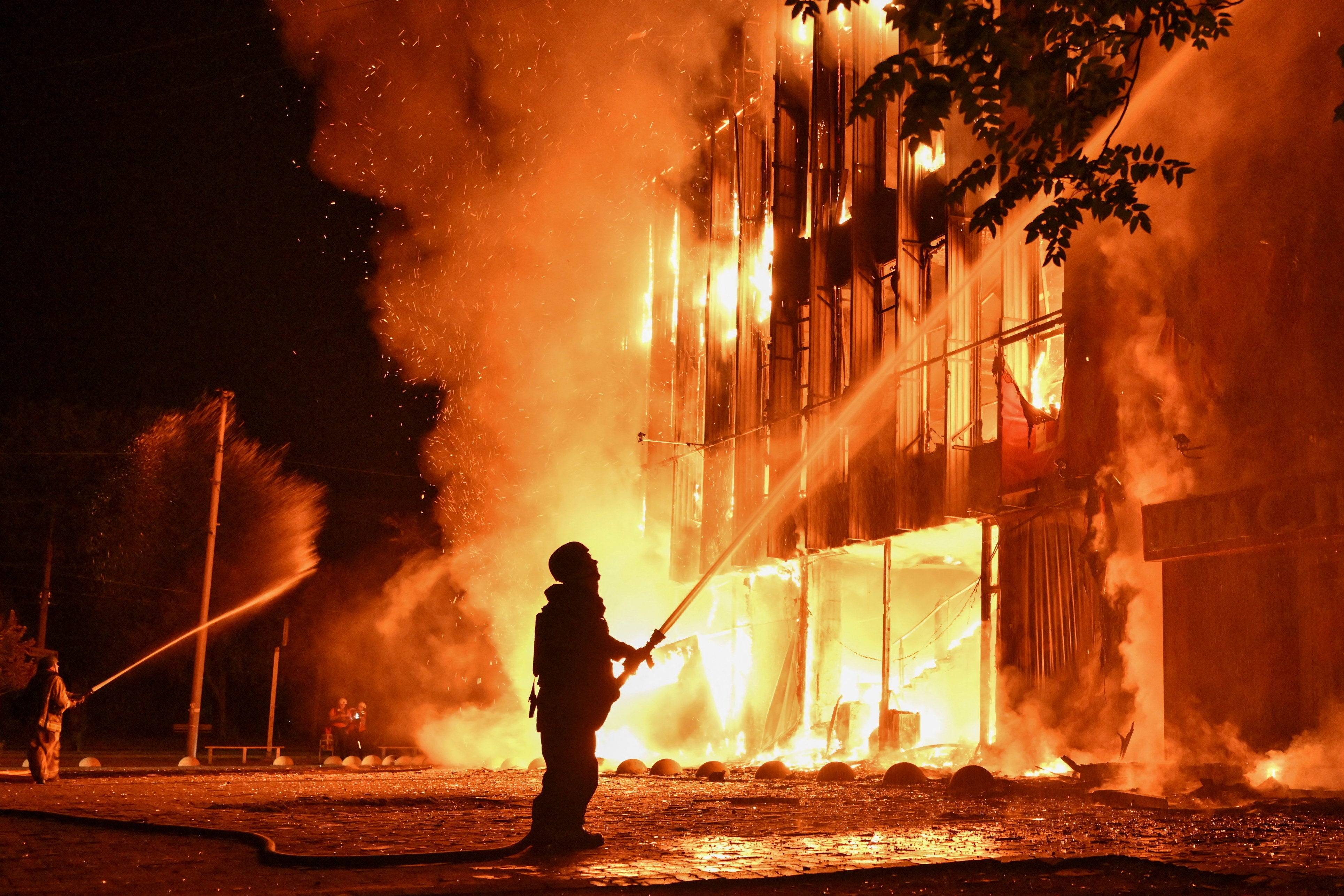
Lithuanian authorities believe Russia could use an explosive-laden Gerbera drone, launched from the sea, to cause a fire, damage exposed equipment or temporarily close a port or airport, according to the report.
Such a provocation would follow a string of reported incursions and alleged acts of sabotage across eastern Europe blamed on Russia. Those attacks have until now fallen short of the threshold of direct military engagement.
 open image in gallery
Spain, France and Italy could become the targets of future attacks as all three have campaigns or elections scheduled for next year, the report suggests, noting the prevalence of “radical forces” within their borders that could exploit weariness with Ukraine.
The Gerbera drone carries a payload of around four to five kilograms and can travel up to 600km (372 miles), flying at around 160km/h.
Lithuania was said to have learned of the plans after CIA director John Ratcliffe’s visit to Moscow at the end of August. Diplomatic sources from a Baltic country told El Mundo they had later been briefed on the trip.
Several unnamed defence analysts told the newspaper that they were aware of a CIA report circulating among European foreign ministries that described a possible attack.
 open image in gallery
The Independent was unable to verify the existence of such a report and approached the CIA for comment.
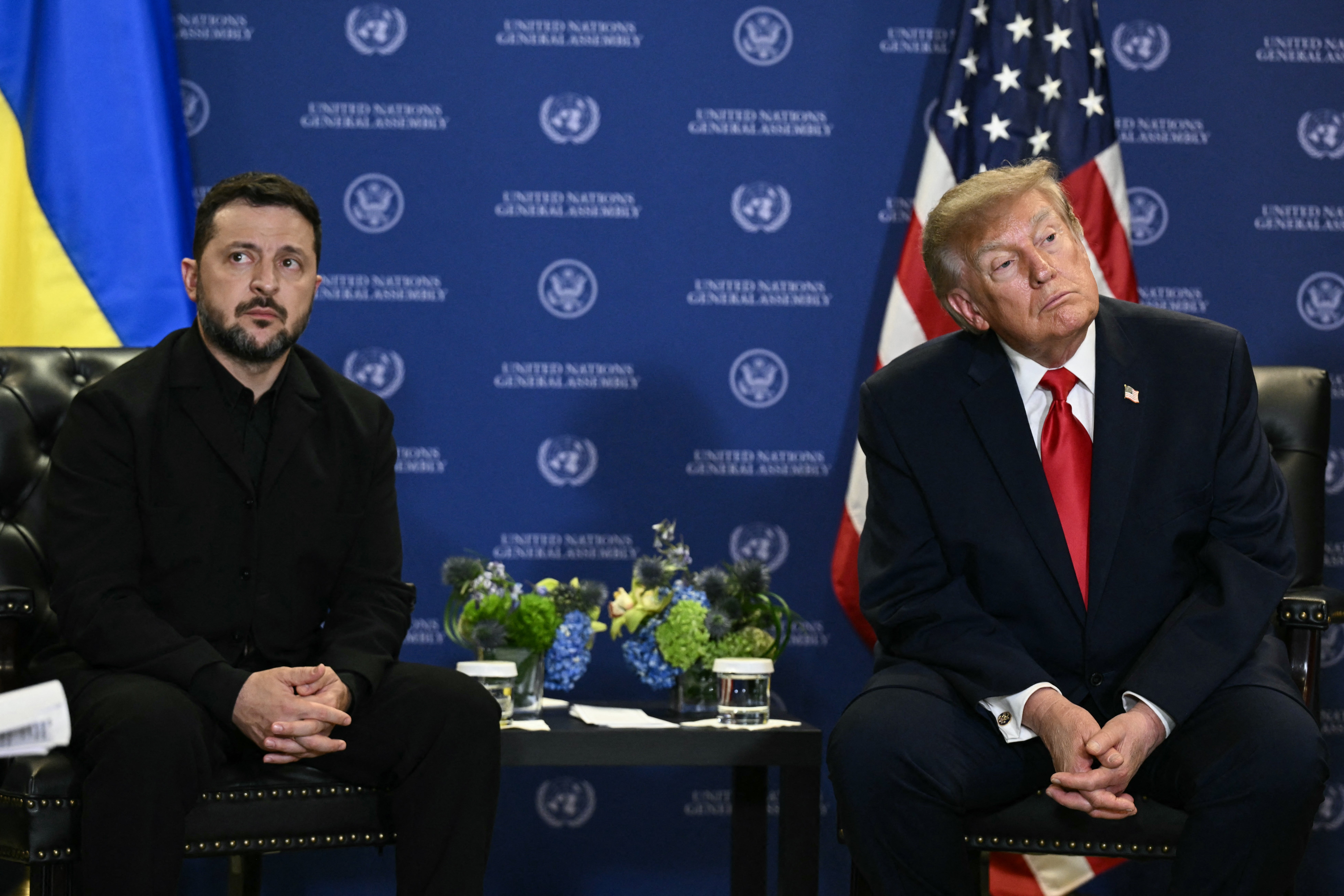
Ratcliffe earlier this week met with Ukrainian president Volodymyr Zelensky at Shannon Airport in Ireland, Reuters reported, citing two people familiar with the matter, who declined to disclose details of their conversation.
Speaking on the sidelines of the UN general assembly in New York on Wednesday, Lithuanian foreign minister Kestutis Budrys told Reuters that allied intelligence pointed to a risk that Russia could try to broaden its pressure on Nato countries through attacks on critical infrastructure and other forms of hybrid activity.
“There are some considerations on the Russian side to escalate horizontally, so to say, or geographically,” Budrys told Reuters.
Separately, the Danish defence intelligence service said in a new threat assessment published on Thursday that they also expect Russia to escalate its hybrid warfare in the coming months.
 open image in gallery
The Danish defence intelligence service said: “In the coming months, Russia will further intensify its hybrid warfare by carrying out more frequent attacks against the West and Nato, with greater consequences for the affected countries than in the past.”
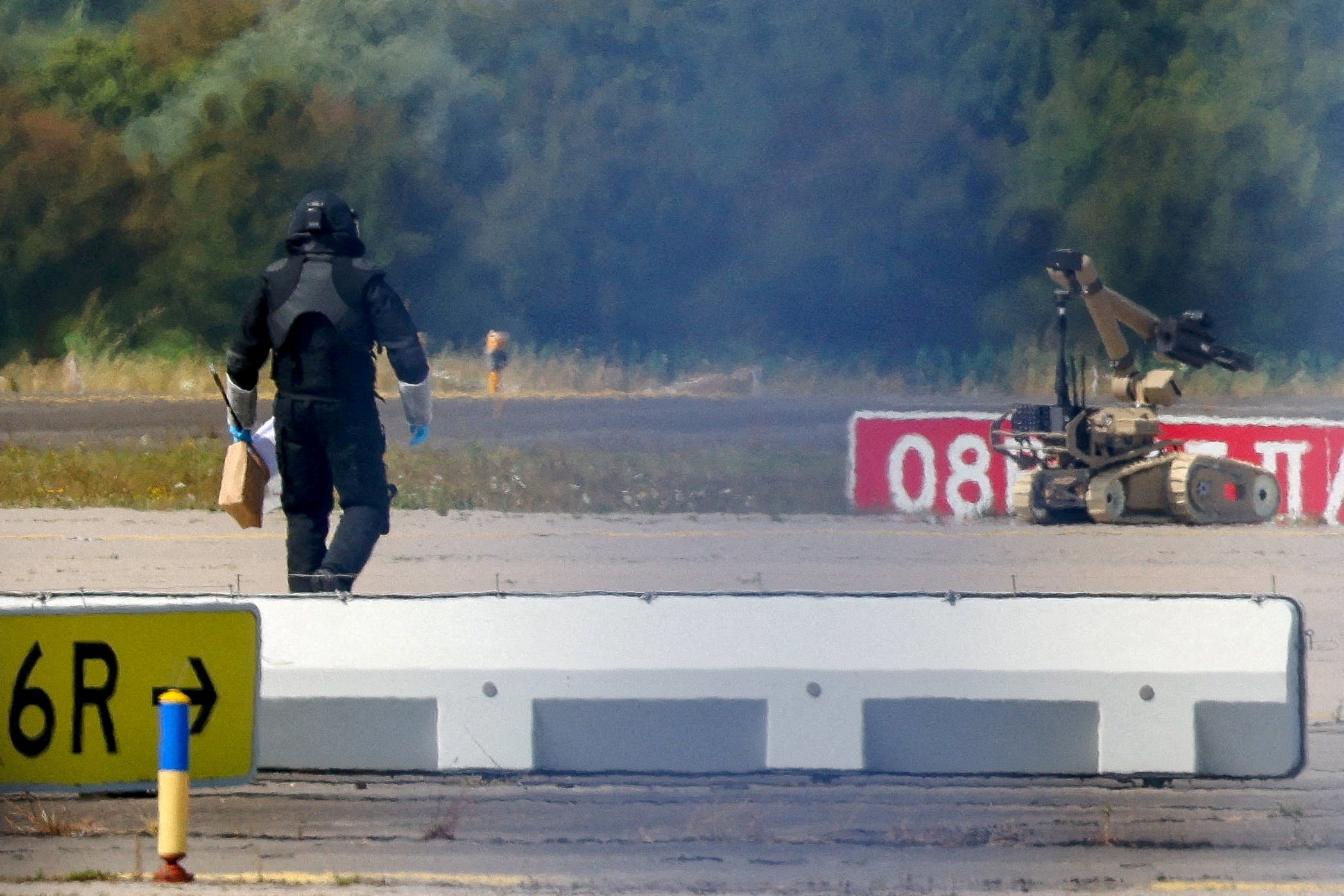
Hybrid attacks and sabotage have gained renewed attention after Germany blamed Russia for an attempted drone attack at the Leipzig/Halle Airport.
A Belarusian citizen and a Russian national linked to the country’s military intelligence services have been identified as the main suspects in the August attack.
EU foreign policy chief Kaja Kallas told reporters on Wednesday that Russia is “trying to scare Europe into winding down its support for Ukraine”.
Kallas said Russia appeared willing to take greater risks and argued the answer was to increase pressure on Moscow through tougher sanctions, including measures targeting its “shadow fleet” and military-industrial complex.
 open image in gallery
Polish foreign minister Radoslaw Sikorski said hybrid attacks were no longer merely a threat.
“They’re not just threats; they’re actual attacks,” Sikorski told Reuters, citing arson, explosions, drone incursions and what Warsaw says was a deliberate cruise missile violation of its territory.
The Polish Army Operational Command said on Wednesday a Russian military Mi-8 helicopter made a brief incursion into its airspace from the Russian exclave of Kaliningrad.
Poland’s deputy prime minister Krzysztof Gawkowski said a fire also broke out on Wednesday evening at a Starlink satellite comms station in central Poland was likely a hybrid attack, disrupting regional connectivity and internet access for the Ukrainian military.
He added that while it was not established that Russia was responsible for the fire, “many signs suggest this aligns with Russia’s new doctrine of attack”.
 open image in gallery
Estonian foreign minister Margus Tsahkna said, however, that alarmist predictions of an imminent Russian assault on the alliance were misplaced.
“We don’t see that Russia is able and even preparing for some kind of active military aggression against NATO or the European countries,” he said, arguing Moscow lacked the capabilities for such an operation while its forces remained engaged in Ukraine.
The Kremlin consistently denies conducting sabotage operations in Nato countries or plotting any confrontation.
More about
RussiaCIAFranceSpainItalyLithuaniaJohn RatcliffeMoscowUkraineNatoUN
Join our commenting forum
Join thought-provoking conversations, follow other Independent readers and see their replies
Most popular
Popular videos
Bulletin
Read next
Fonte: – World RSS Feed
