What can Asia, Global South learn from India’s new digital payment fee?
Por Biman Mukherji — South China Morning Post – News feed
Advertisement India This Week in Asia Economics What can Asia, Global South learn from India’s new digital payment fee?
The roll-out is a good test of whether the system can generate enough revenue to pay for its own maintenance and expansion, experts say
4 -MIN READ 4 -MIN
Biman Mukherji Published: 6:02pm, 24 Sep 2026
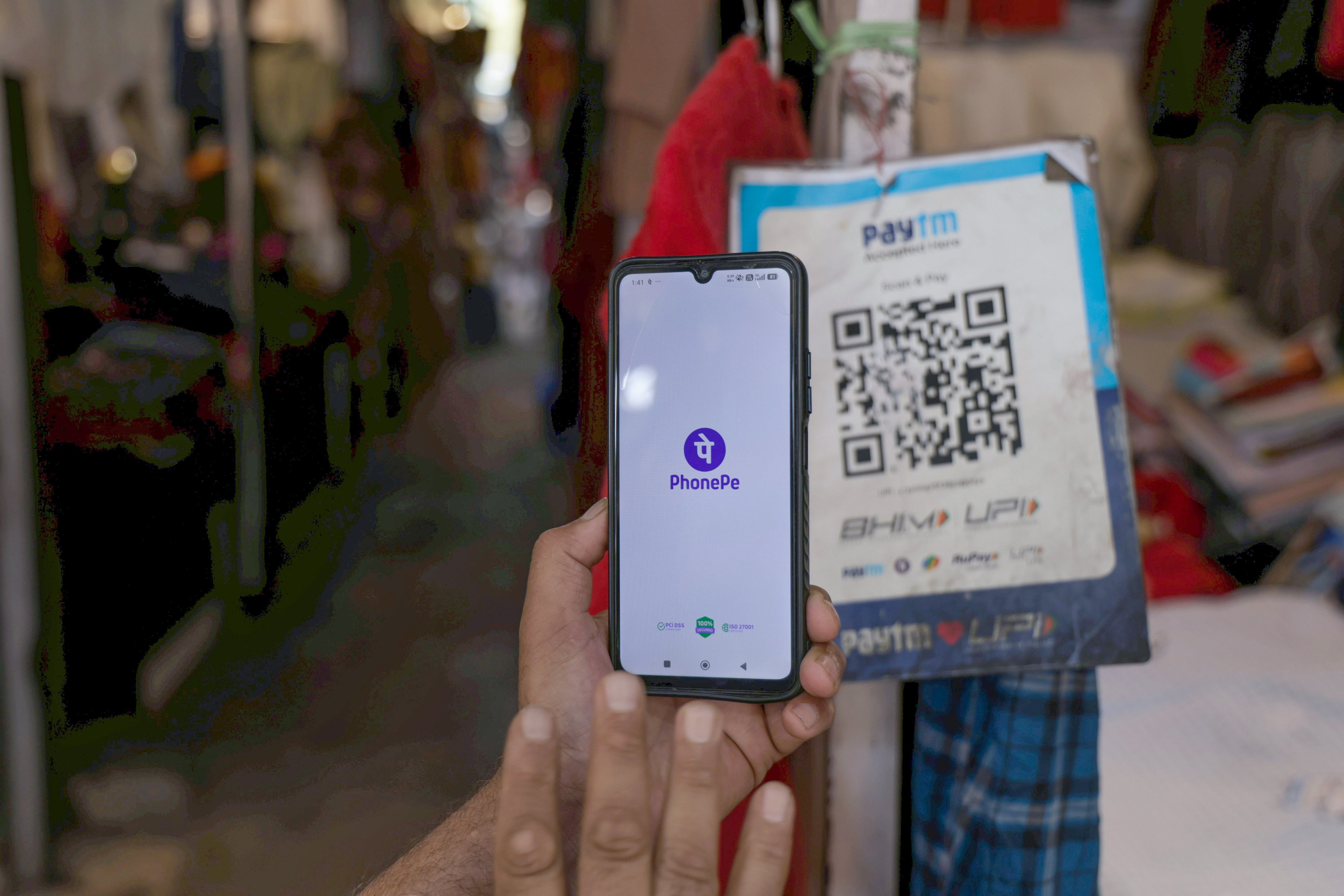
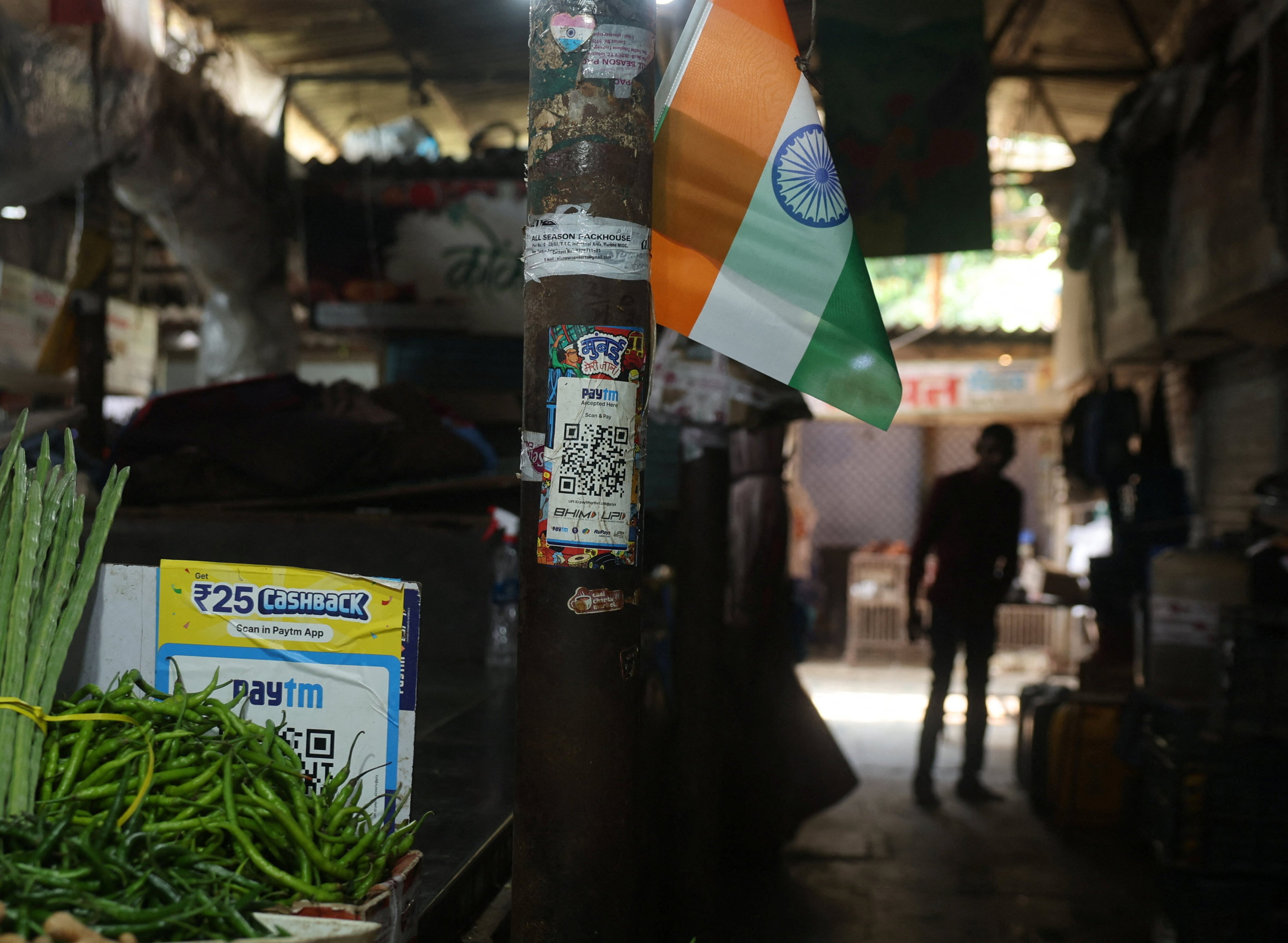
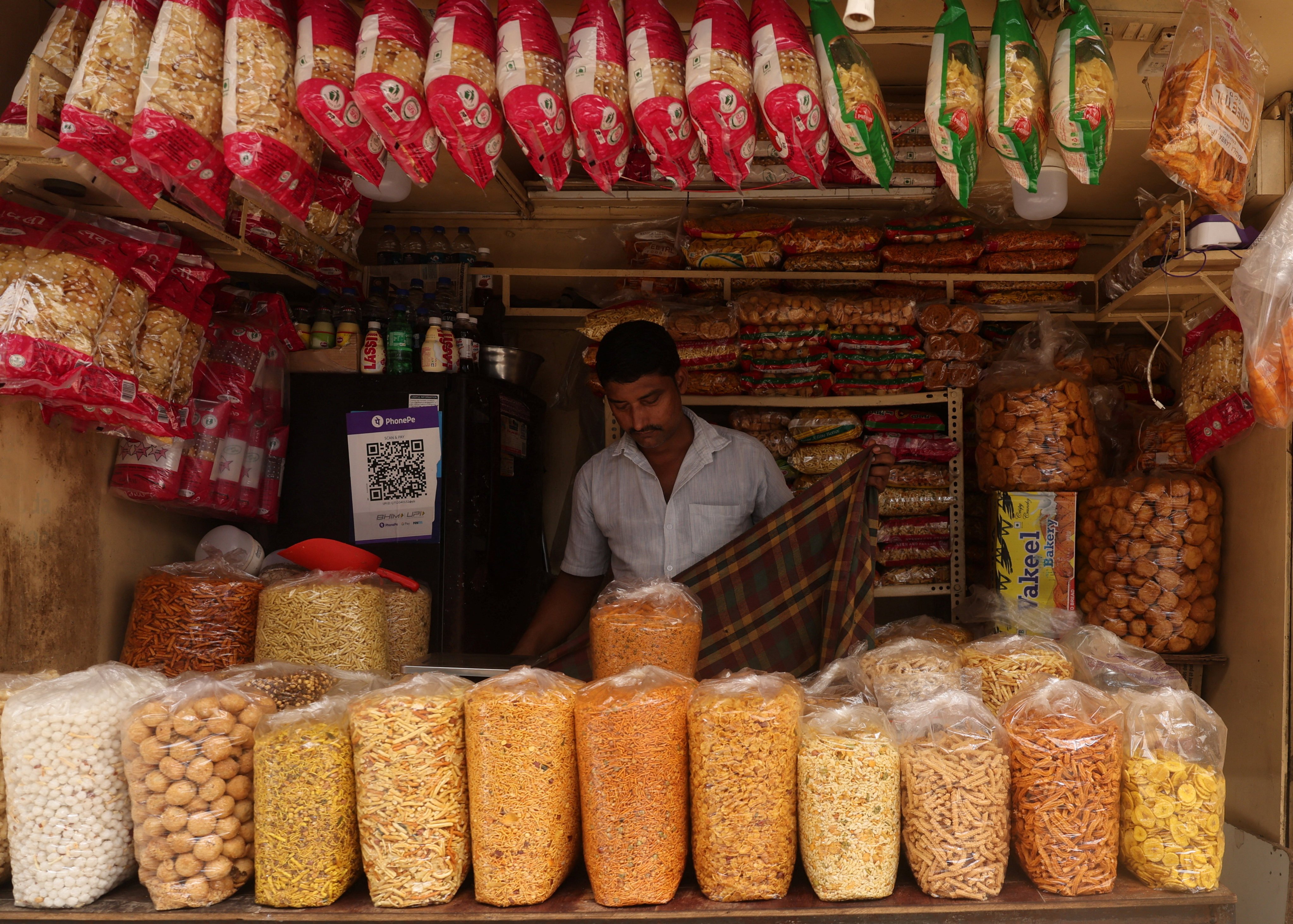
For millions of Indians, buying a cup of chai or groceries from roadside vendors has come to mean reaching for their phones rather than wallets – a habit made possible by a system that has so far charged consumers nothing for such everyday transactions.
Now, a decade after the government launched the Unified Payments Interface (UPI), India is asking some merchants to pay for the hugely popular system – raising questions over whether it can preserve the low-cost model that drove its mass adoption while generating enough revenue to fund its own growth.
Under a new framework, a 0.4 per cent merchant discount rate – a processing fee merchants pay to banks and payment apps when they accept a digital payment from a customer – will apply to transactions above 2,000 rupees (US$21) starting from October 15. The charge has been capped at 300 rupees.
Experts say the roll-out will be crucial in determining whether the system can generate enough revenue to pay for its own maintenance and expansion.
Select Voice Select Speed 0.8x 0.9x 1.0x 1.1x 1.2x 1.5x 1.75x 00:00 00:00 1x AI-generated voice