Hurricane Polo among ‘the strongest ever’ as Category 4 storm threatens Mexico’s coast
Por Megan Janetsky and Desiree Brooks — – World RSS Feed
Hurricane Polo among ‘the strongest ever’ as Category 4 storm threatens Mexico’s coast
Experts have linked the rapid intensification of the ‘extremely dangerous’ storm to El Nino
Megan Janetsky & Desiree Brooks Wednesday 23 September 2026 15:20 BST
- Bookmark
- Comments Go to comments
Bookmark popover
Removed from bookmarks
Close popover

Become an Independent member to bookmark this article
Want to bookmark your favourite articles and stories to read or reference later? Start your Independent Membership today.
Already a member?
Log in
Your support helps us to tell the story
Read more Support Now
From reproductive rights to climate change to Big Tech, The Independent is on the ground when the story is developing. Whether it’s investigating the financials of Elon Musk’s pro-Trump PAC or producing our latest documentary, ‘The A Word’, which shines a light on the American women fighting for reproductive rights, we know how important it is to parse out the facts from the messaging.
At such a critical moment in US history, we need reporters on the ground. Your donation allows us to keep sending journalists to speak to both sides of the story.
The Independent is trusted by Americans across the entire political spectrum. And unlike many other quality news outlets, we choose not to lock Americans out of our reporting and analysis with paywalls. We believe quality journalism should be available to everyone, paid for by those who can afford it.
Your support makes all the difference. Read more
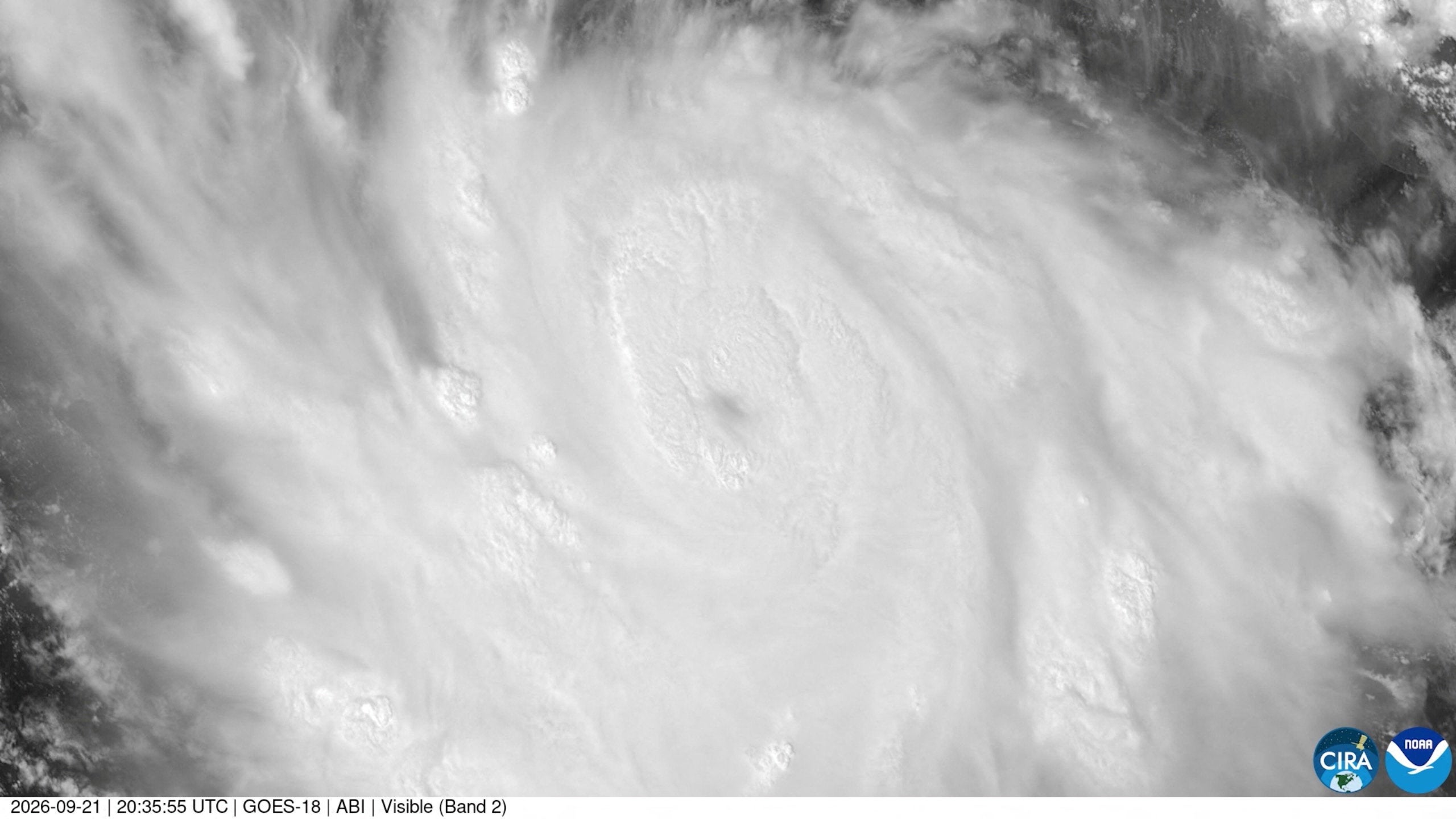
Polo has developed into one of the most powerful Pacific cyclones in decades, expected to pass close to Mexico’s south-western coast as a major hurricane.
Meanwhile, a separate Pacific system, Odalys, upgraded on Wednesday from a tropical storm to a hurricane without posing a threat to land.
The US National Hurricane Center in Miami described Polo as an “extremely dangerous” storm, forecasting that it will turn sharply towards the north-west before moving west-north-west over the next several days.
Situated roughly 165 miles (266 kilometres) south of Zihuatanejo and 320 miles (515 kilometres) south-east of Manzanillo, Polo is moving slowly northwards. With maximum sustained winds of 150 mph (241 kph), it currently holds Category 4 strength, having previously reached Category 5 storm status.
 open image in gallery
“Fluctuations in intensity are expected, but Polo is expected to remain a very powerful major hurricane during the next few days,” the NHC said.
Odalys was a Category 1 hurricane and was about 1,295 miles (2,085 kilometers) off the southern tip of the Baja California peninsula of Mexico, moving east-northeast at 9 mph (15 kph) with maximum sustained winds of 75 mph (120 kph), the hurricane center said.
Waves, flooding and mudslides are all risks
Mexican President Claudia Sheinbaum said experts indicated Polo was not likely to touch land. Still, hurricane-force winds extend up to 40 miles (65 kilometers) from the storm’s center and tropical storm-force winds up to 105 miles (169 kilometers) from the eye, the U.S. center said.
Tropical storm conditions were expected along the Pacific coast in Guerrero, Michoacan and Colima states Wednesday into Thursday.
Polo on Tuesday became the third Category 5 hurricane of the Pacific season, following Genevieve and Lowell earlier this year. Category 5 is the highest level on the Saffir-Simpson scale, reflecting that a storm has maximum sustained winds exceeding 157 mph (253 kph).
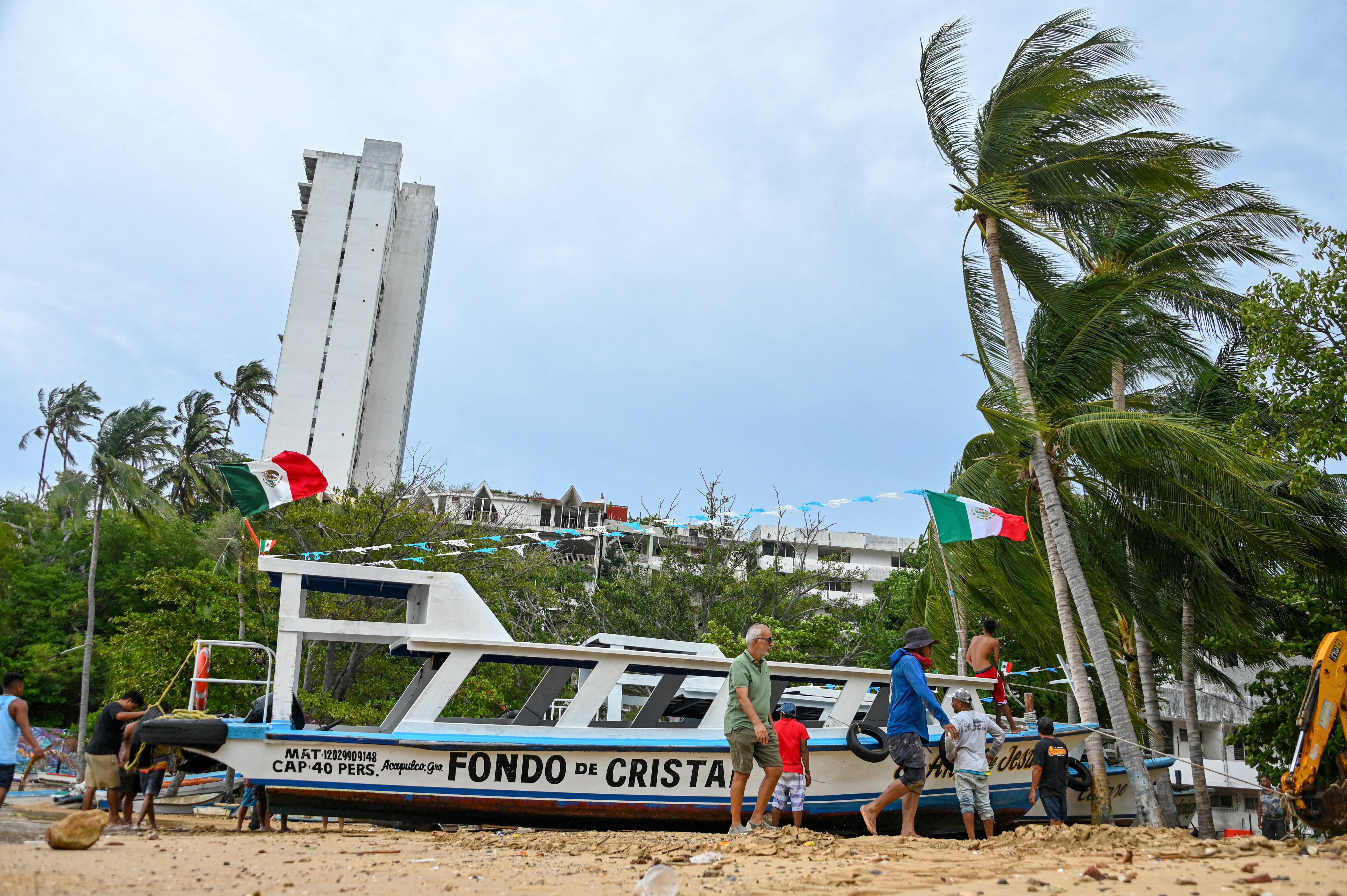
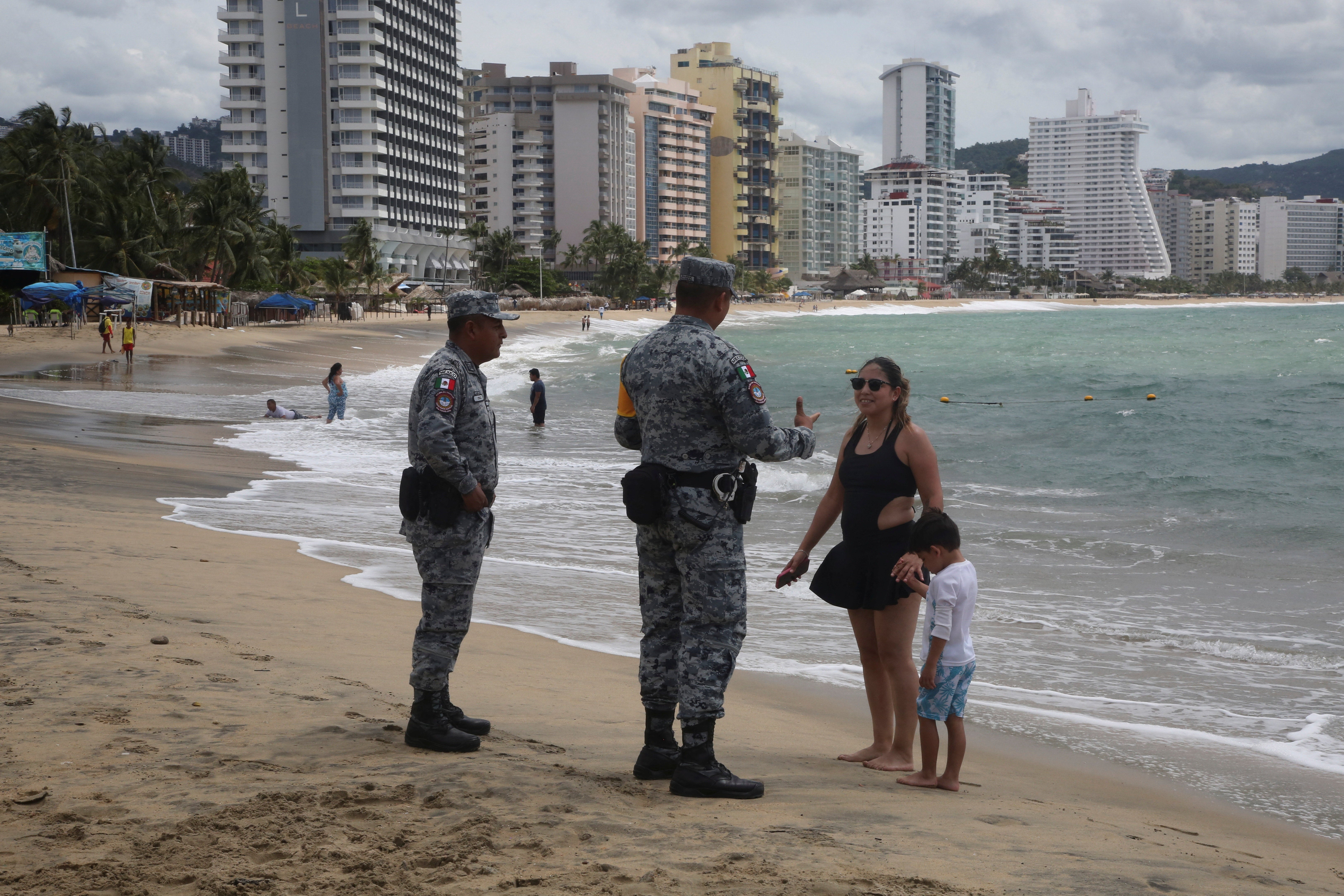
The hurricane set residents along Mexico’s Pacific coast on edge once again after being walloped by a number of powerful cyclones in recent years. Beaches emptied and dark clouds swirled above choppy seas, while Mexican authorities temporarily suspended classes Tuesday in a number of areas. Mexico’s navy shut down ports in the states of Guerrero and Michoacán and warned civilians and fishermen to take care.
 open image in gallery
Concepción López Villegas was busily preparing her seaside restaurant for what may come. Strong waves were already lapping at the coastline of her city Lázaro Cárdenas in Michoacán. As men and children watched the stirring waters behind her, López Villegas said she feared powerful waves would destroy the small business she has worked decades to build.
“We’re worried and trying to protect our businesses,” López Villegas said. “And of course, we’re sad because it’s our heritage, our legacy that from one moment to another could be destroyed.”
U.S. National Hurricane Center data shows Polo’s winds reached speeds comparable to only a few hurricanes in the region in recent decades, primarily Hurricane Patricia, which had winds that reached 215 mph (346 kph) in 2015.
“This is one of the strongest storms ever in the (Pacific) Basin,” said Kristen L. Corbosiero, professor at the University at Albany’s Department of Atmospheric & Environmental Sciences.
Heavy rain could produce flash flooding and mudslides. About 3 to 6 inches (8 to 15 centimeters) of rain was forecast for Guerrero and Michoacán states, with smaller amounts possible for coastal portions of Oaxaca, Colima and Jalisco states.
El Nino fueled rapid intensification
The U.S. Embassy in Mexico issued a weather alert, instructing citizens to avoid water and beaches and to heed warnings from Mexican authorities.
“Even if the storm does not make direct landfall, heavy rain may produce life-threatening flooding and mudslides. Hazardous ocean conditions — intensified by storms — may result in deadly rip currents and rogue waves,” the embassy wrote in a statement.
 open image in gallery
The rapid intensification of the storm has stunned scientists and authorities alike, with the NHC writing in a report that it was “truly remarkable” how quickly Polo gained strength in 24 hours.
Philip Klotzbach, research scientist in the Department of Atmospheric Science at Colorado State University, attributed the intensification to the weather phenomenon known as El Nino, which has fueled crippling droughts in Mexico and Central America and floods in other parts of the region.
In the Pacific, it has resulted in warmer waters and wind patterns that act as fodder for hurricanes, he said.
“There are all the ingredients that hurricanes need to get really strong really fast,” Klotzbach said.
No Atlantic hurricanes have formed yet this year, and this year has set a record for the longest start to a season without a hurricane. The effects of this year’s El Nino crush storms before they get going.
More about
MexicoUS National Hurricane CenterEl NinoHurricane
Join our commenting forum
Join thought-provoking conversations, follow other Independent readers and see their replies
Most popular
Popular videos
Bulletin
Read next
Fonte: – World RSS Feed