Amateur archaeologist unearths huge Roman silver coin treasure trove in Germany
Por Kirsten Grieshaber — – World RSS Feed
Amateur archaeologist unearths huge Roman silver coin treasure trove in Germany
Oliver Riedl discovered the significant hoard of silver coins from the era of Roman Emperor Hadrian in western Germany
Kirsten Grieshaber Tuesday 22 September 2026 15:24 BST
- Bookmark
Bookmark popover
Removed from bookmarks
Close popover
 open image in gallery
Your support helps us to tell the story
Read more Support Now
From reproductive rights to climate change to Big Tech, The Independent is on the ground when the story is developing. Whether it’s investigating the financials of Elon Musk’s pro-Trump PAC or producing our latest documentary, ‘The A Word’, which shines a light on the American women fighting for reproductive rights, we know how important it is to parse out the facts from the messaging.
At such a critical moment in US history, we need reporters on the ground. Your donation allows us to keep sending journalists to speak to both sides of the story.
The Independent is trusted by Americans across the entire political spectrum. And unlike many other quality news outlets, we choose not to lock Americans out of our reporting and analysis with paywalls. We believe quality journalism should be available to everyone, paid for by those who can afford it.
Your support makes all the difference. Read more
When amateur archaeologist Oliver Riedl’s metal detector refused to stop signalling in a field in western Germany, he realised he had uncovered far more than just a few loose items.
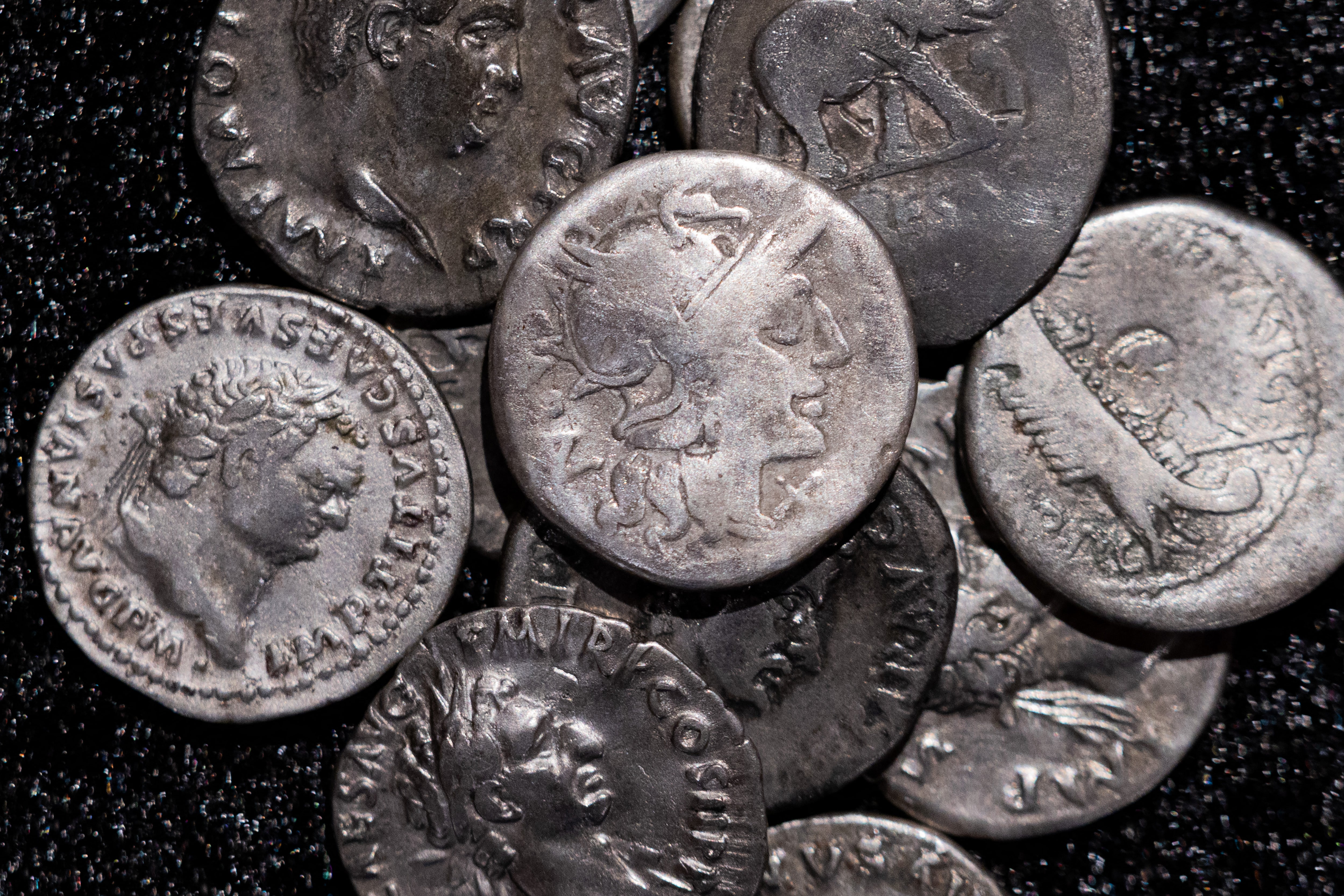
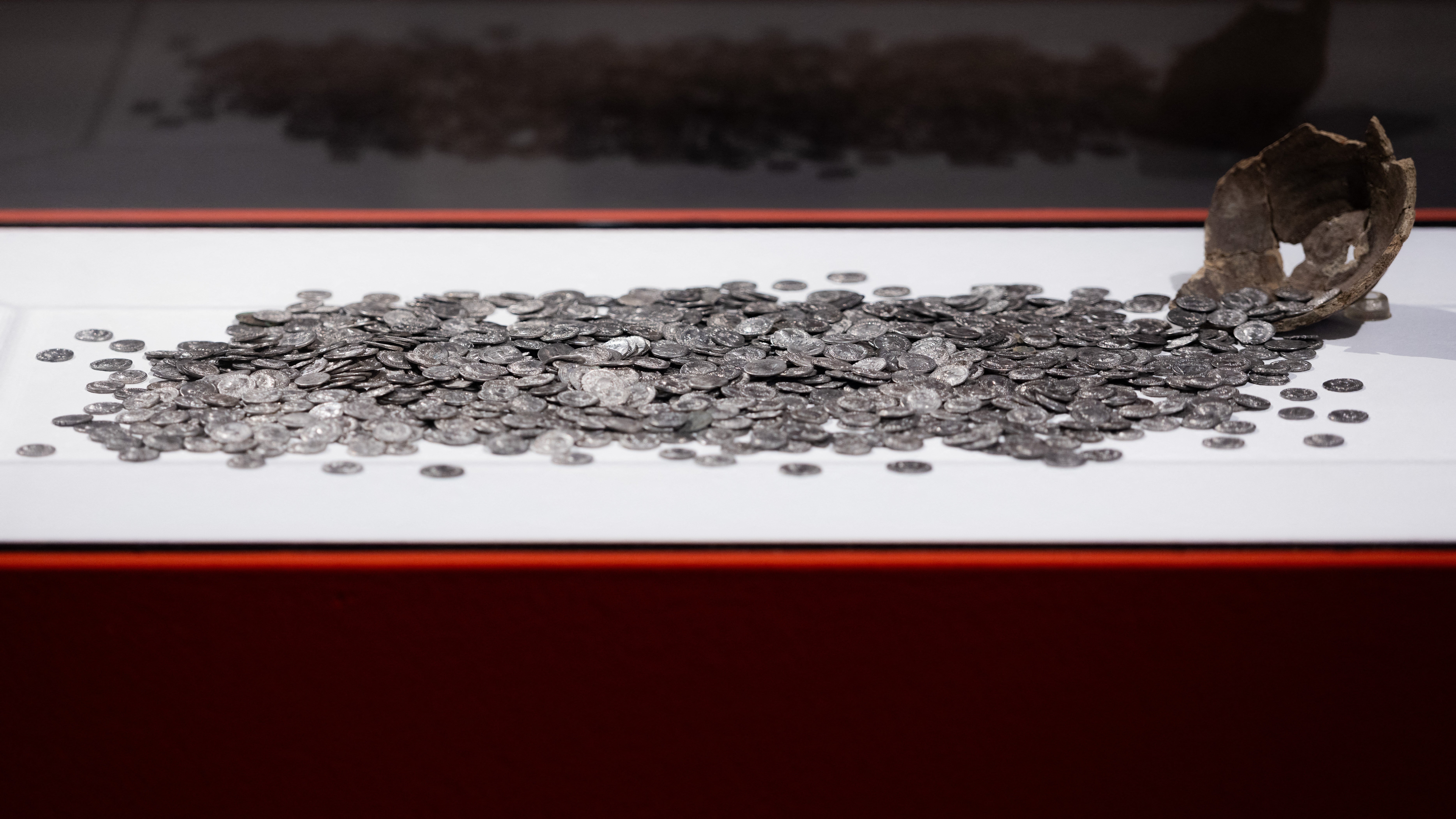
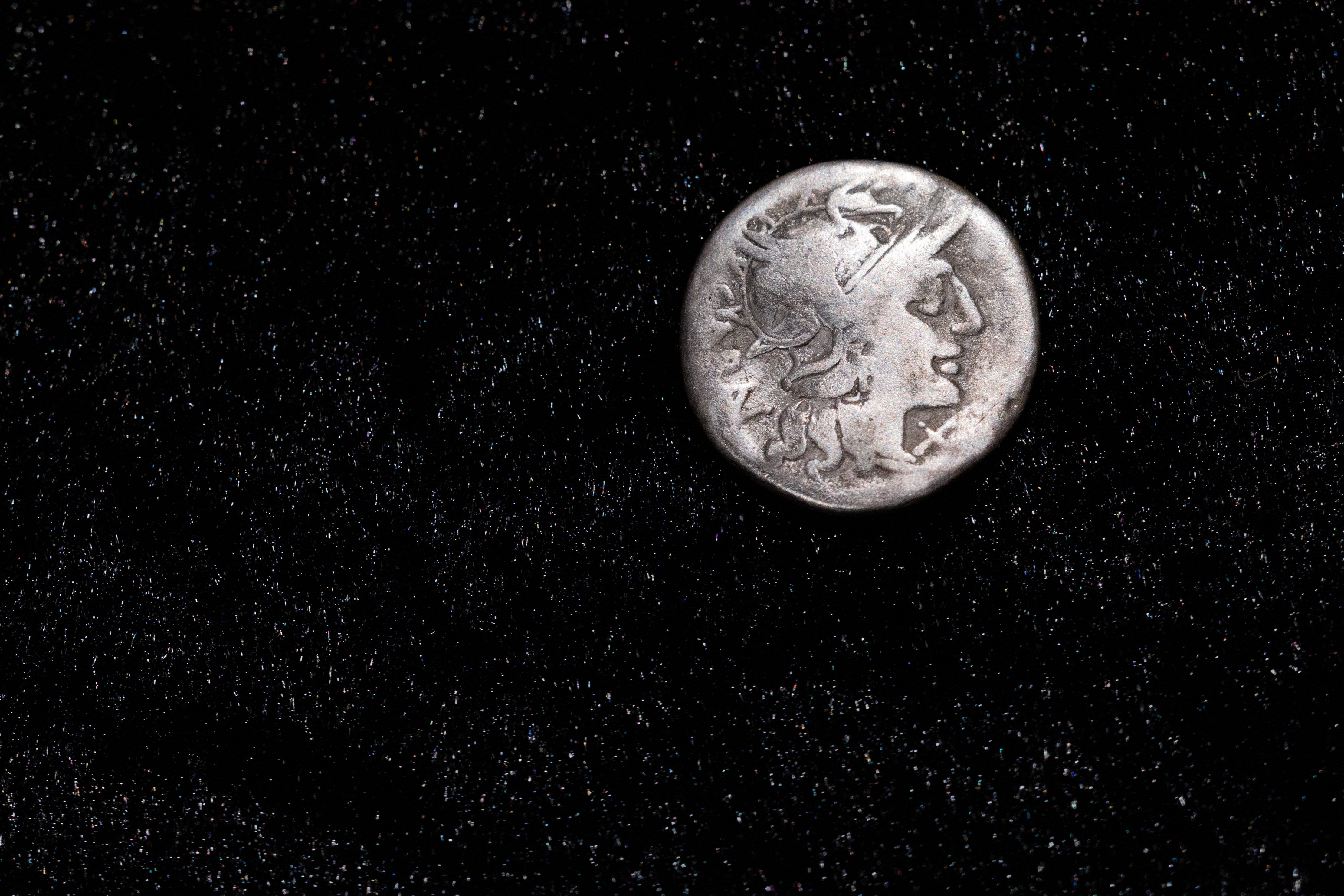
Riedl alerted the authorities, and a team of specialists subsequently unearthed a total of 934 Roman silver denarii. According to the local office responsible for archaeological monuments on Tuesday, it represents the largest coin treasure from the era of Roman Emperor Hadrian ever discovered in Germany.
“It was clear to me that there was something bigger buried here,” said Riedl, describing how his device kept sounding near Wesseling, south of Cologne, a year ago.
The collection of coins, which weighs 3.1 kilograms (6.8 pounds), went on display at the LVR-LandesMuseum Bonn on Tuesday.
Archaeologists at the LVR Office for the Preservation of Archaeological Monuments in the Rhineland believe the silver was deliberately hidden during the second quarter of the second century A.D.
 open image in gallery
“Of course, we can only speculate about the motives, but it’s very likely that someone wanted to keep this money safe. After all, banks didn’t exist back then,” said Erich Classen, state archaeologist and director of the office.
Classen noted that it was unclear why the cache was never recovered, adding that “perhaps the owner died before that could happen, without being able to pass on the knowledge about the coins.”
While ancient Roman troves are found periodically, the archaeological office stated that second-century finds are rarely as extensive as the Wesseling discovery, making it difficult to calculate the hoard’s exact value at the time.
Historical documentation regarding the earnings of Roman legionaries does, however, provide a point of reference.
 open image in gallery
“At that time, an ordinary soldier in the legion earned 300 denarii a year. However, about half of that was withheld for food and equipment,” said Rahel Otte, a research associate at the office.
“A legionary would therefore have had to save all of his disposable income for about six years to amass the Wesseling hoard,” Otte said, adding that it remains unknown who ultimately accumulated the fortune.
The region surrounding Cologne was under Roman rule from roughly 39 BC to AD 459. Roman presence was established under General Marcus Vipsanius Agrippa to secure the empire’s border along the Rhine River, creating a military post that eventually became Colonia Agrippina — modern-day Cologne.
More about
RomanGermanyBerlinRomansCologneRoman Empire
Most popular
Popular videos
Bulletin
Read next
Fonte: – World RSS Feed