Trump failed to block mail-in ballots ahead of the midterms. What happens next?
Por Alex Woodward — – World RSS Feed
analysis Trump failed to block mail-in ballots ahead of the midterms. What happens next?
The Supreme Court stopped him, for now, but the president is on a crusade to control the midterms. Election officials are trying to tune out the noise, Alex Woodward writes
Thursday 17 September 2026 12:56 BST
- Bookmark
- Comments Go to comments
Bookmark popover
Removed from bookmarks
Close popover
Your support helps us to tell the story
Read more Support Now
From reproductive rights to climate change to Big Tech, The Independent is on the ground when the story is developing. Whether it’s investigating the financials of Elon Musk’s pro-Trump PAC or producing our latest documentary, ‘The A Word’, which shines a light on the American women fighting for reproductive rights, we know how important it is to parse out the facts from the messaging.
At such a critical moment in US history, we need reporters on the ground. Your donation allows us to keep sending journalists to speak to both sides of the story.
The Independent is trusted by Americans across the entire political spectrum. And unlike many other quality news outlets, we choose not to lock Americans out of our reporting and analysis with paywalls. We believe quality journalism should be available to everyone, paid for by those who can afford it.
Your support makes all the difference. Read more
D onald Trump has hit a wall.
The president’s attempts to take control of elections failed this week. The Department of Justice lost more than 20 court cases trying to vacuum up voter data. Damning whistleblower reports reveal allegedly illegal efforts to access voter rolls and rushed attempts to derail mail-in voting.
And this week, the Supreme Court blocked the president’s last-ditch effort to overhaul the rules for mail-in ballots, an unprecedented takeover that election officials feared would wrongly disenfranchise tens of thousands of people while giving mail carriers unprecedented authority to decide who gets to cast a vote.
Voting rights advocates and elections officials are breathing a sigh of relief after the Supreme Court’s latest intervention, but they know Trump is Trump. The legal battle over mail-in ballots is just one of the many pieces in the president’s government-wide effort to keep his party in power, or risk losing control of Congress in his final years in office.
“The president appears to be acting really desperate, panicking, about the upcoming election,” David Becker, president of the Center for Election Innovation and Research, told reporters Tuesday. “If you were a president confident in your party, you would be very calm in letting the process play out, and that’s not happening.”
 open image in gallery
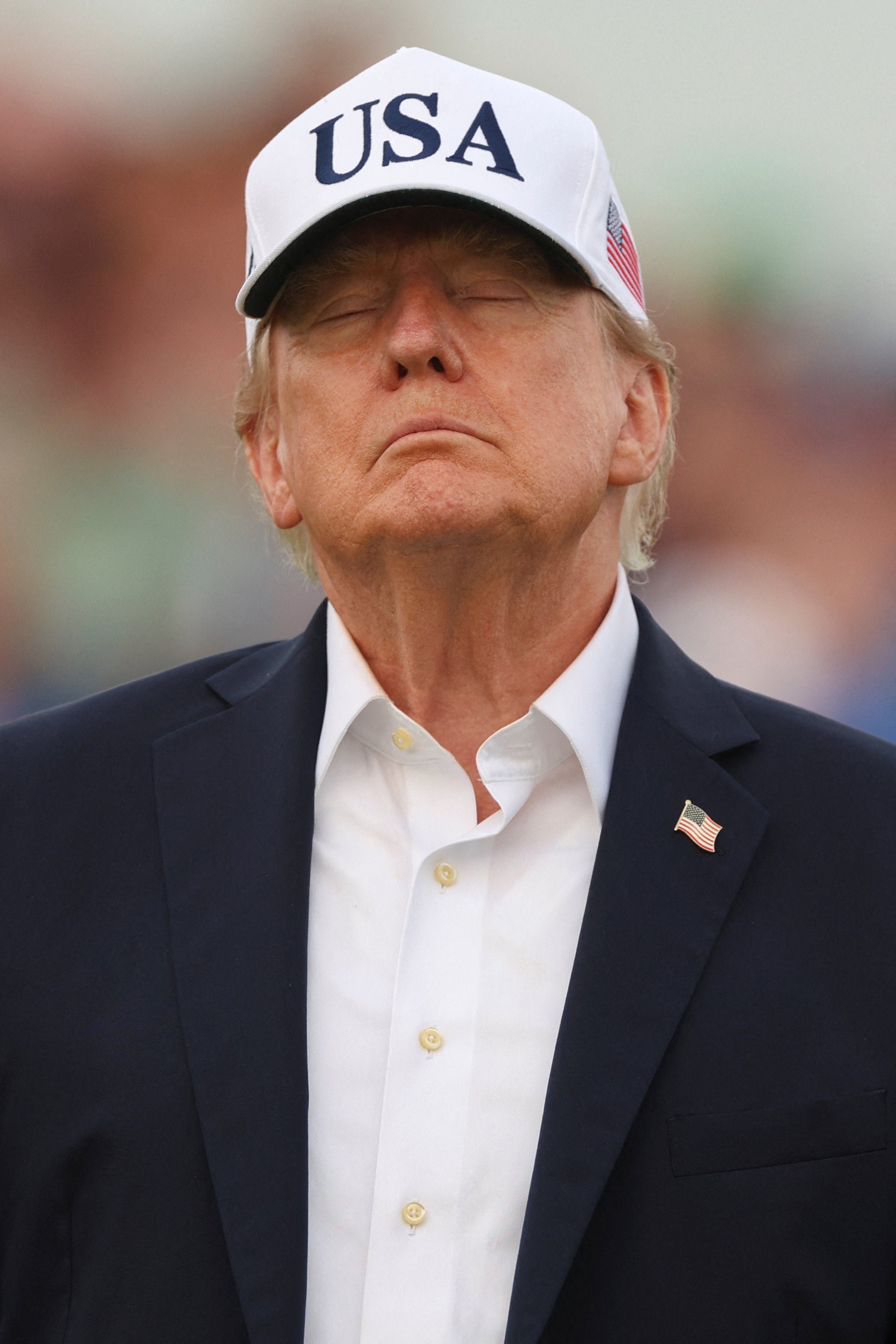
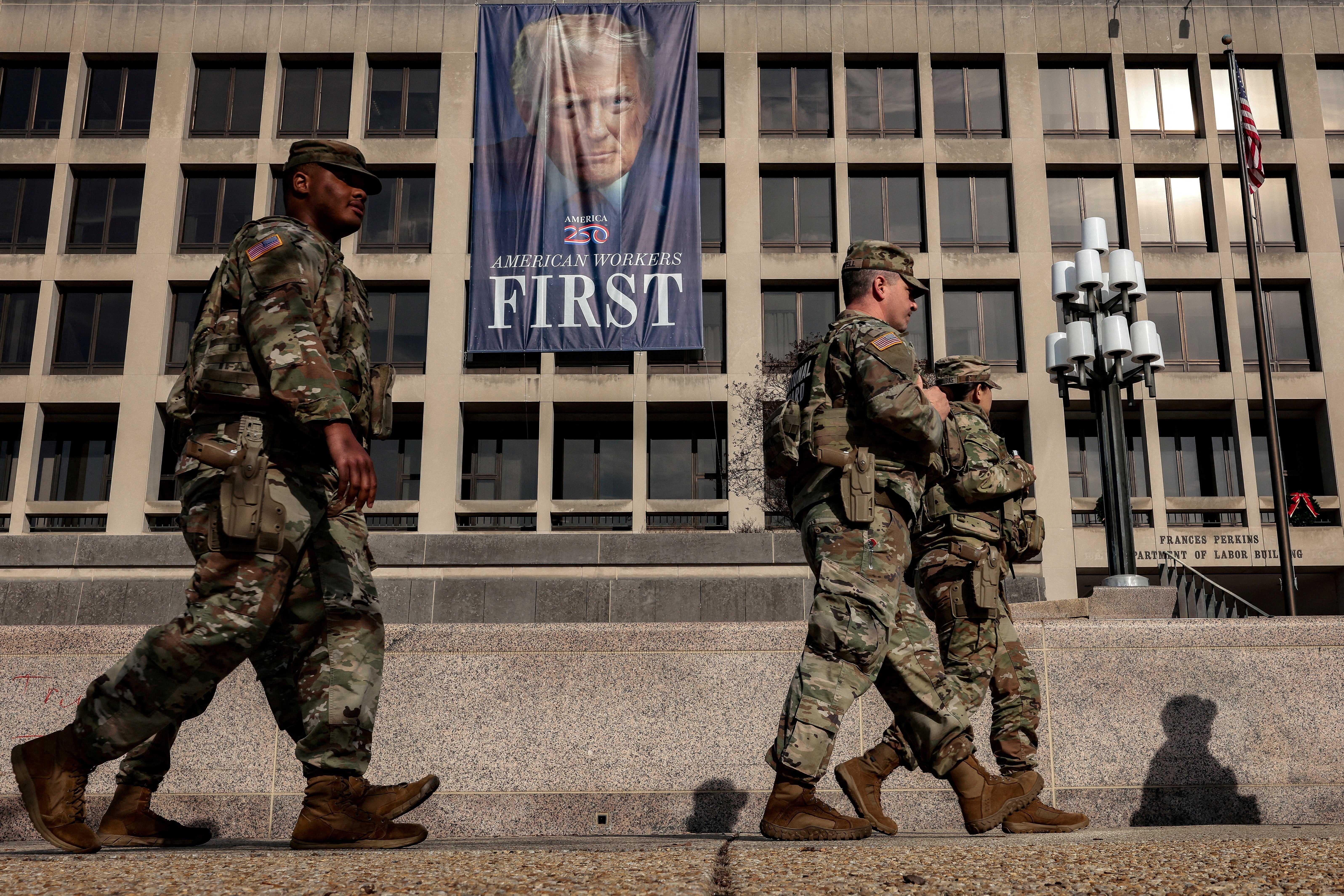
The president has not ruled out declaring some kind of national emergency, officials won’t dismiss the idea of federal agents or National Guard troops at the polls, and the administration has spent months drumming up pretext to take control of elections with investigations into mass voter fraud — none of which have been stood up in court.
From now through Election Day, and in what is likely to be a litigation-filled aftermath, an avalanche of “noise” from the Trump administration will only get “louder and louder,” according to Becker. “I think we would be fools not to expect that.”
A national emergency ‘will not stand’
After his Supreme Court loss, Trump’s allies renewed their demands that the president seize control of elections. Far-right commentator Wayne Allyn Root, who pushed the president to declare a national emergency to implement his stalled SAVE America Act, said there is “no other choice” after the high court’s decision.
Last month, while interviewing the president on Real America’s Voice network, Root told the president that he has the “right” to declare an emergency and
“Let me just say stranger things have happened,” Trump replied “I’ll leave it at that.”
 open image in gallery
An emergency declaration to deploy troops to the polls is designed to “create a perception of chaos that is false” and will face immediate scrutiny in court and political backlash that Republicans aren’t likely to survive, according to Becker.
“That will not stand, regardless of the noise that comes out of the White House,” he said. “Troops, armed men, agents, ICE, will not be at the polls. It will not happen. If anyone in the federal government is foolish enough to violate federal law … that will be shut down by courts right away.”
Pumped-up investigations
Days before the Supreme Court’s ruling, the Justice Department sent threatening letters to at least 30 election officials across the country, warning states that they are “currently under investigation” and subject to “ongoing litigation” for access to election records.
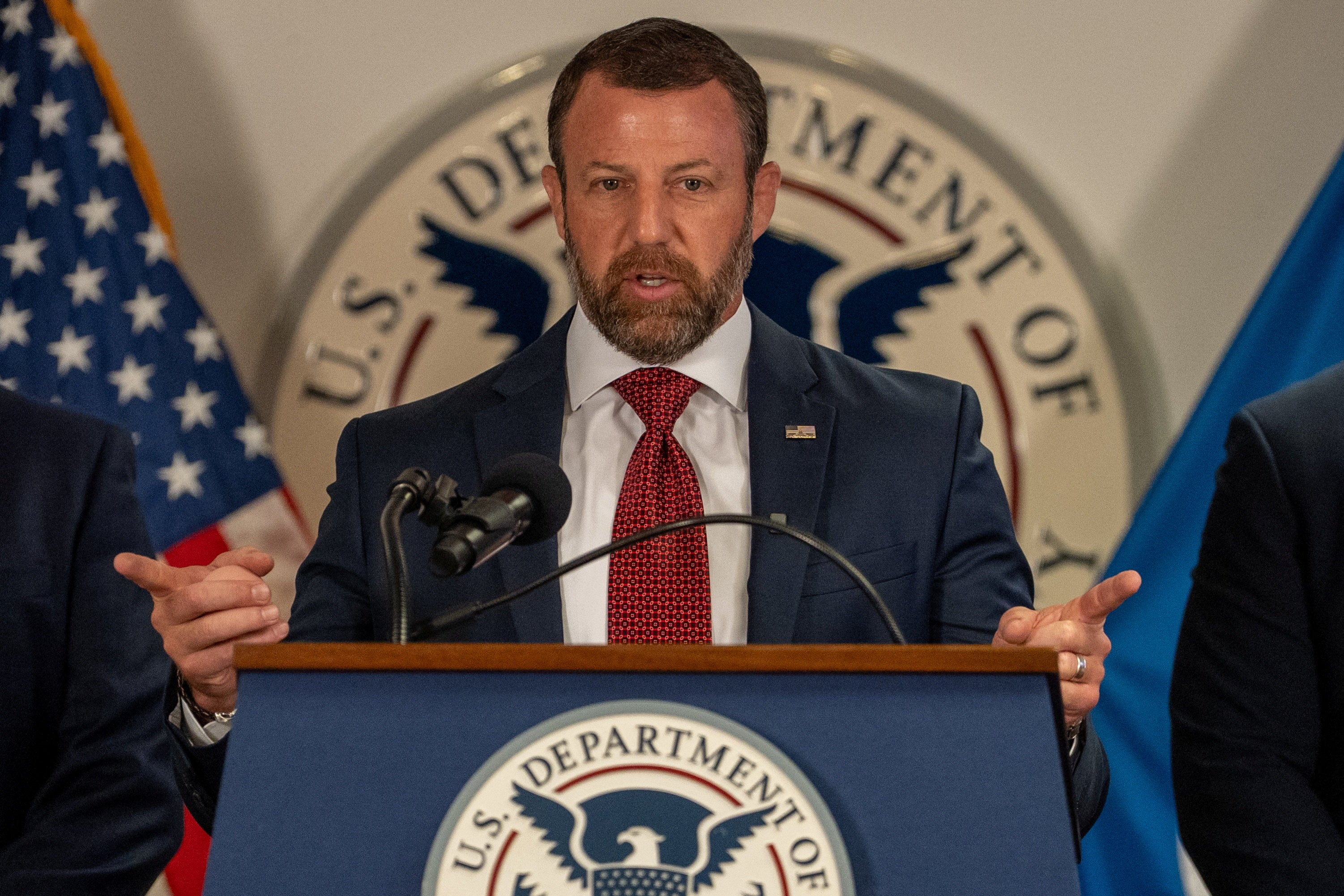
Homeland Security Secretary Markwayne Mullin is also calling for a federal probe into Becker’s group, a nonpartisan coalition of election experts.
 open image in gallery
Becker has vehemently denied Mullin’s allegations, but election conspiracy theorists and Trump allies have rallied around the idea of an investigation and renewed attacks against the Electronic Registration Information Center, a nonprofit, nonpartisan organization that connects state election officials to share data for more-accurate voter rolls.
Homeland Security also ordered U.S. Citizenship and Immigration Services employees investigate state voter rolls by illegally misrepresenting themselves on voter-lookup tools in an attempt to identify noncitizens who are illegally registered, according to an anonymous whistleblower’s report.
The agency did not deny the efforts but said in a statement that the work was being done “diligently and professionally.”
“The department accessed publicly available data from states’ voter rolls and cross referenced them with known aliens in our systems,” a spokesperson said this week. “It’s not rocket science; it’s an easy step to secure our elections.”
Sowing distrust
Officials who run the nation’s elections and voting rights groups who support them remain confident that American elections are safe, free and fair, regardless of the cloud of noise from the Trump administration that seeks to further erode distrust in the process.
Election lawyer and Democracy Defenders Action founder Norm Eisen, who joined more than 60 lawsuits against Trump’s efforts to reverse his 2020 loss, said voters should remain confident that their ballots will be protected despite the “constant churn and swirl” of noise from the Trump administration.
But Trump’s “incessant assaults” on voting rights run the risk of confusing voters — including his own, according to Eisen. “Because Donald Trump is the president who cried wolf, the damage might be more profound to his own voters,” he said.
 open image in gallery
In July, Trump abruptly pushed out the three remaining members of an independent agency tasked with supporting election officials, leaving the bipartisan Election Assistance Commission effectively paralyzed weeks before election day.
The Trump administration has gutted both the commission responsible for supporting those workers as well as the Cybersecurity and Infrastructure Security Agency, which safeguards against potential cyber attacks, while launching a crusade against the people who ran the election Trump claims was rigged against him.
Trump-allied groups of election conspiracy theorists are also training poll watchers to swarm the polls and investigate results, amassing a small army to help litigate the outcomes.
“Voting is safe, free and fair — you can disregard these false claims and be confident that however you prefer to vote … your vote will be safely cast, counted and certified,” Eisen said.
More about
Donald TrumpDepartment Of JusticeSupreme CourtNational EmergencyHomeland SecurityMarkwayne MullinNational GuardmidtermsElection Day
Join our commenting forum
Join thought-provoking conversations, follow other Independent readers and see their replies
Most popular
Popular videos
Bulletin
Read next
Fonte: – World RSS Feed