Active-duty military members leak images of damage to US planes and bases during Iran war
Por Brendan Rascius — – World RSS Feed
Active-duty military members leak images of damage to US planes and bases during Iran war
Previously unseen photos show the aftermath of Iranian strikes on US facilities in Saudi Arabia and Kuwait
Brendan Rascius In New York Wednesday 16 September 2026 20:58 BST
- Bookmark
- Comments Go to comments
Bookmark popover
Removed from bookmarks
Close popover
Your support helps us to tell the story
Read more Support Now
From reproductive rights to climate change to Big Tech, The Independent is on the ground when the story is developing. Whether it’s investigating the financials of Elon Musk’s pro-Trump PAC or producing our latest documentary, ‘The A Word’, which shines a light on the American women fighting for reproductive rights, we know how important it is to parse out the facts from the messaging.
At such a critical moment in US history, we need reporters on the ground. Your donation allows us to keep sending journalists to speak to both sides of the story.
The Independent is trusted by Americans across the entire political spectrum. And unlike many other quality news outlets, we choose not to lock Americans out of our reporting and analysis with paywalls. We believe quality journalism should be available to everyone, paid for by those who can afford it.
Your support makes all the difference. Read more
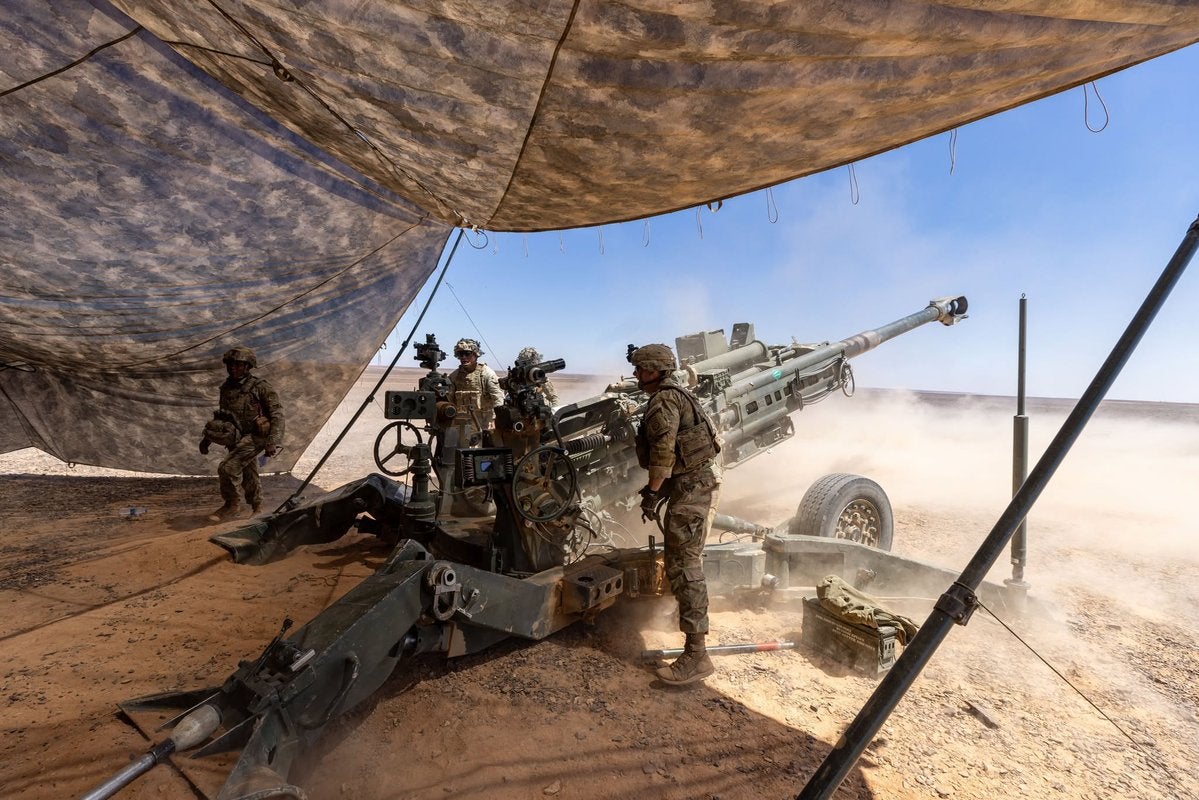
Active-duty U.S. service members have leaked photos to CBS News that depict damage to American military infrastructure in the Middle East during the Iran war.
The images, which are undated and were shared anonymously, appear to show the aftermath of missile and drone strikes on U.S. facilities in Saudi Arabia and Kuwait.
The previously unseen images underscore the far-reaching impact of President Donald Trump’s war with Iran, now in its seven month with no clear end in sight.
“This is major damage to our bases that hasn’t been communicated to the American public,” one service member told CBS News. “We’re standing there with our eyes closed getting punched in the face.”
One photo, from Prince Sultan Air Force Base in Al Kharj, Saudi Arabia, shows a four-engine Boeing aircraft with a large section of its fuselage and radar dome missing. Debris is scattered across the runway and sand. Earlier images of what appeared to be the same damaged plane had circulated on social media in March.
 open image in gallery
Another image from the base — which houses thousands of U.S. military personnel — shows a building gutted by a strike, with sections of its roof and walls torn away.
Photos from Camp Buehring and Camp Arifjan in Kuwait show similar destruction: a charred truck, a damaged three-story building and a field of trailers flattened after a strike. Another image shows a dark plume of smoke rising from what appears to be a large tent-like structure.
The CBS News report quickly gained traction on social media, drawing more than 1 million views on X alone and prompting reactions from former U.S. military personnel and policy experts.
“This is shocking to me after having served at some of these locations,” wrote Fred Wellman, a retired Army officer and Democratic candidate for Congress in Missouri.
“The ‘damaged’ AWACS [Airborne Warning and Control System] has suffered a catastrophic hit,” wrote Sina Azodi, a professor of Middle East studies at George Washington University, referring to the image of the Boeing aircraft.
The Independent has contacted the Pentagon and White House for comment.
 open image in gallery
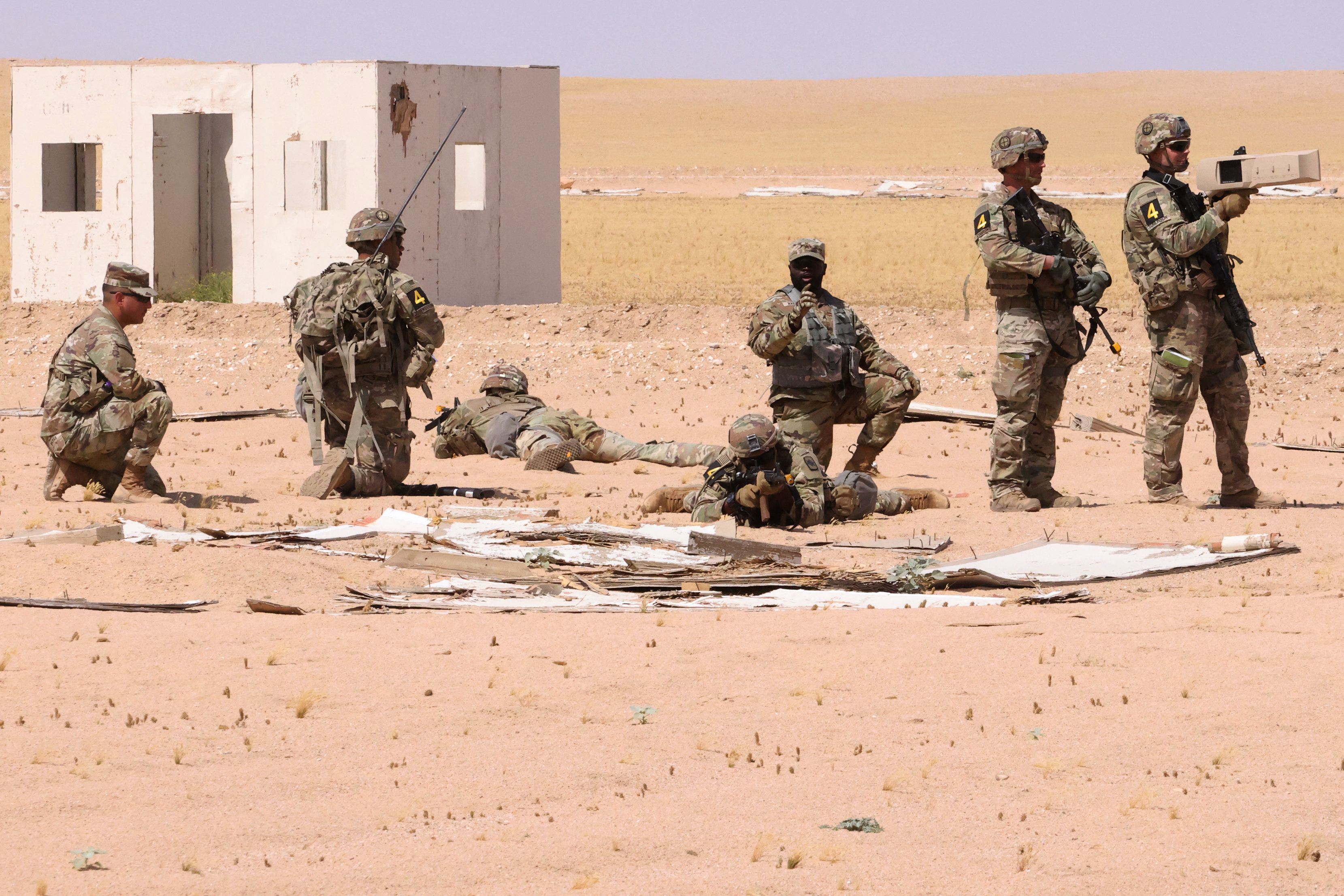
Trump administration officials, who say the war is necessary to prevent Iran from acquiring a nuclear weapon, have repeatedly emphasized the damage U.S. forces have inflicted on Iran.
They have said Iran’s military has effectively been wiped out and that vast numbers of Iranian leaders have been killed.
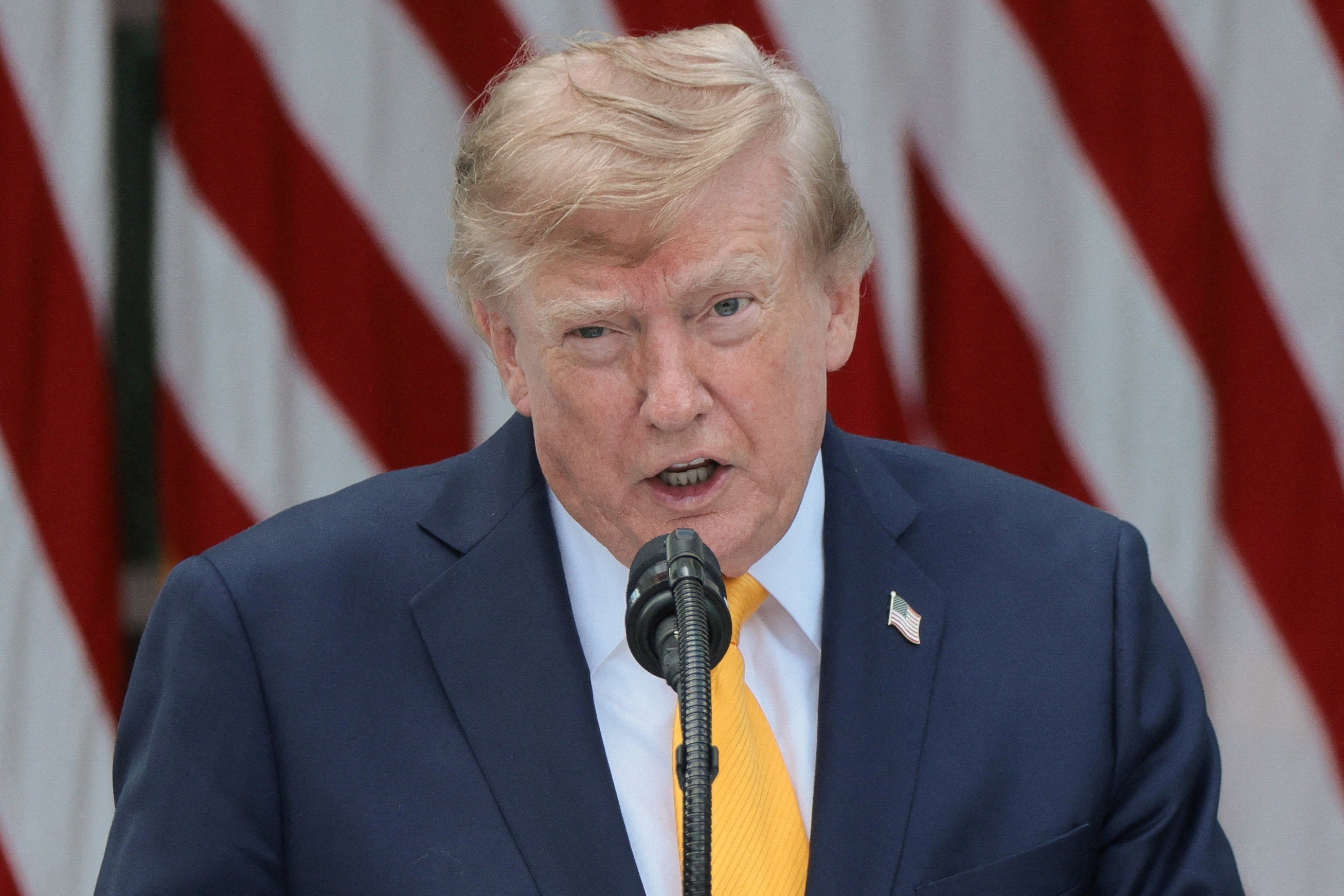
“Iran is officially a Failed Nation,” President Donald Trump wrote on Truth Social last month. “They have no Navy, they have no Air Force, they have no currency, they are not paying their soldiers or police, Inflation is at 300%, and their leadership is in total disarray and incapable of properly representing the country.”
At the same time, Trump and members of his administration have said little about damage the U.S. military has sustained and, at times, have appeared to minimize it.
In March, Defense Secretary Pete Hegseth described Iranian strikes on U.S. bases as “squirters,” telling reporters that “every once in a while you might have one” that penetrates air defenses.
Last week, Trump denied reports that Iranian strikes had damaged U.S. military aircraft in Jordan. Asked by a NewsNation journalist whether there was truth to the report, Trump replied: “None whatsoever…No damage. No nothing.”
Yet, the U.S. has paid a heavy price for the war, measured in lives lost and economic ramifications.
Some 18 U.S. service members have been killed and more than 700 have been wounded, according to the Pentagon. In Iran, at least 3,636 people have been killed, according to HRANA, a U.S.-based human rights group.
 open image in gallery
This week, the Pentagon’s inspector general acknowledged in a report that Iranian strikes damaged and destroyed hundreds of buildings and other structures at American bases in Kuwait, Bahrain, Qatar, the United Arab Emirates, Saudi Arabia, Iraq, Oman and Jordan.
Last month, NBC News reported that Iran had inflicted “billions” of dollars in damage on U.S. intelligence infrastructure, including surveillance equipment, in the Middle East. That same month, CBS News reported that the U.S. military had used nearly all of its stockpiled long-range precision missiles during the conflict — an assessment Trump disputed.
The nonpartisan Congressional Budget Office estimated this week the Iran war has cost the Pentagon about $38 billion, amounting to about $246 million per day. The broader U.S. economy has also been impacted, with the closure of the Strait of Hormuz, a major oil supply route, triggering spikes in global fuel prices. On Wednesday, the average price of a gallon of gasoline in the U.S. stood at $4.63, according to AAA, up from $2.98 two days before the war began.
Recent polling suggests the war is broadly unpopular in the U.S. A July AP-NORC survey found that just 28 percent of Americans approved of Trump’s handling of the conflict.
More about
US MilitaryIranMiddle EastCBS News
Join our commenting forum
Join thought-provoking conversations, follow other Independent readers and see their replies
Most popular
Popular videos
Bulletin
Read next
Fonte: – World RSS Feed