Trump races against midterm clock to install wave of lifetime judges
Por Nate Raymond — – World RSS Feed
Trump races against midterm clock to install wave of lifetime judges
During a nine-day Senate recess in August, Trump put forward 13 judicial candidates
Nate Raymond Wednesday 16 September 2026 11:44 BST
- Bookmark
- Comments Go to comments
Bookmark popover
Removed from bookmarks
Close popover
Your support helps us to tell the story
Read more Support Now
From reproductive rights to climate change to Big Tech, The Independent is on the ground when the story is developing. Whether it’s investigating the financials of Elon Musk’s pro-Trump PAC or producing our latest documentary, ‘The A Word’, which shines a light on the American women fighting for reproductive rights, we know how important it is to parse out the facts from the messaging.
At such a critical moment in US history, we need reporters on the ground. Your donation allows us to keep sending journalists to speak to both sides of the story.
The Independent is trusted by Americans across the entire political spectrum. And unlike many other quality news outlets, we choose not to lock Americans out of our reporting and analysis with paywalls. We believe quality journalism should be available to everyone, paid for by those who can afford it.
Your support makes all the difference. Read more
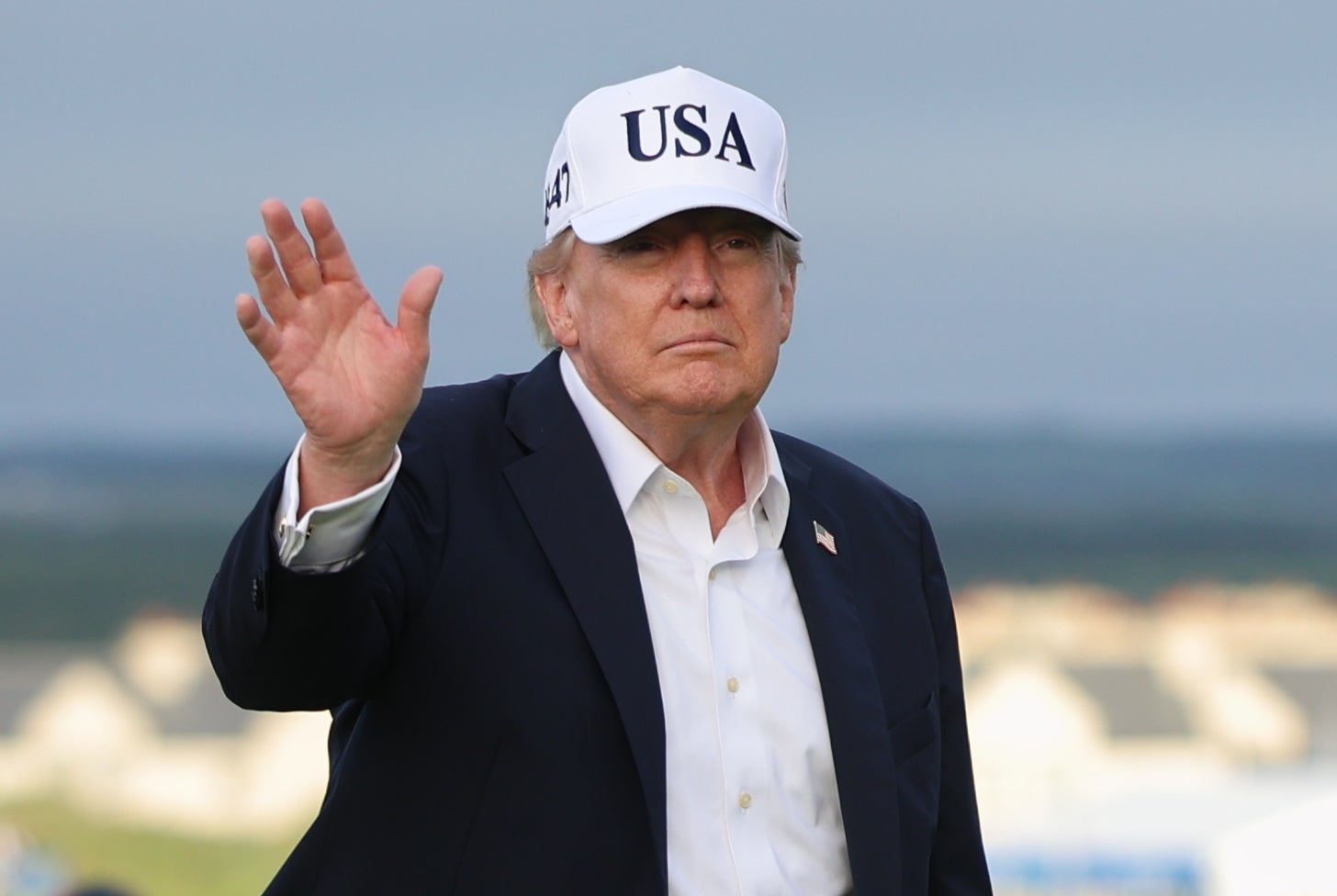
Facing uncertainty over Republican control of the U.S. Senate, President Donald Trump’s administration is moving quickly to secure confirmation for a broad slate of federal judicial appointments before the end of the year.
During a nine-day Senate recess in August, Trump put forward 13 judicial candidates. Six of these individuals are scheduled for hearings before the Senate Judiciary Committee on Wednesday, joining five prior candidates awaiting action by the full Senate, where confirmations require a simple majority vote.
With Republicans currently holding a 53-47 majority, a Democratic victory in the November 3 midterm elections could dismantle Trump’s capacity to advance judicial appointments once the newly elected Congress takes office next year.
 open image in gallery
“You always go into this with the fear of losing the Senate,” said Robert Luther, a law professor at George Mason University who previously assisted with judicial appointments in the White House Counsel’s Office during Trump’s initial term.
Regardless of the election outcome, legal commentators and Luther suggest this nomination push represents one of Trump’s final major opportunities to reshape the judiciary, largely due to a dwindling number of court vacancies and expected retirements.
“Supreme Court vacancy notwithstanding, I expect this to be the slowest two years for judicial nominations under Trump,” Luther said.
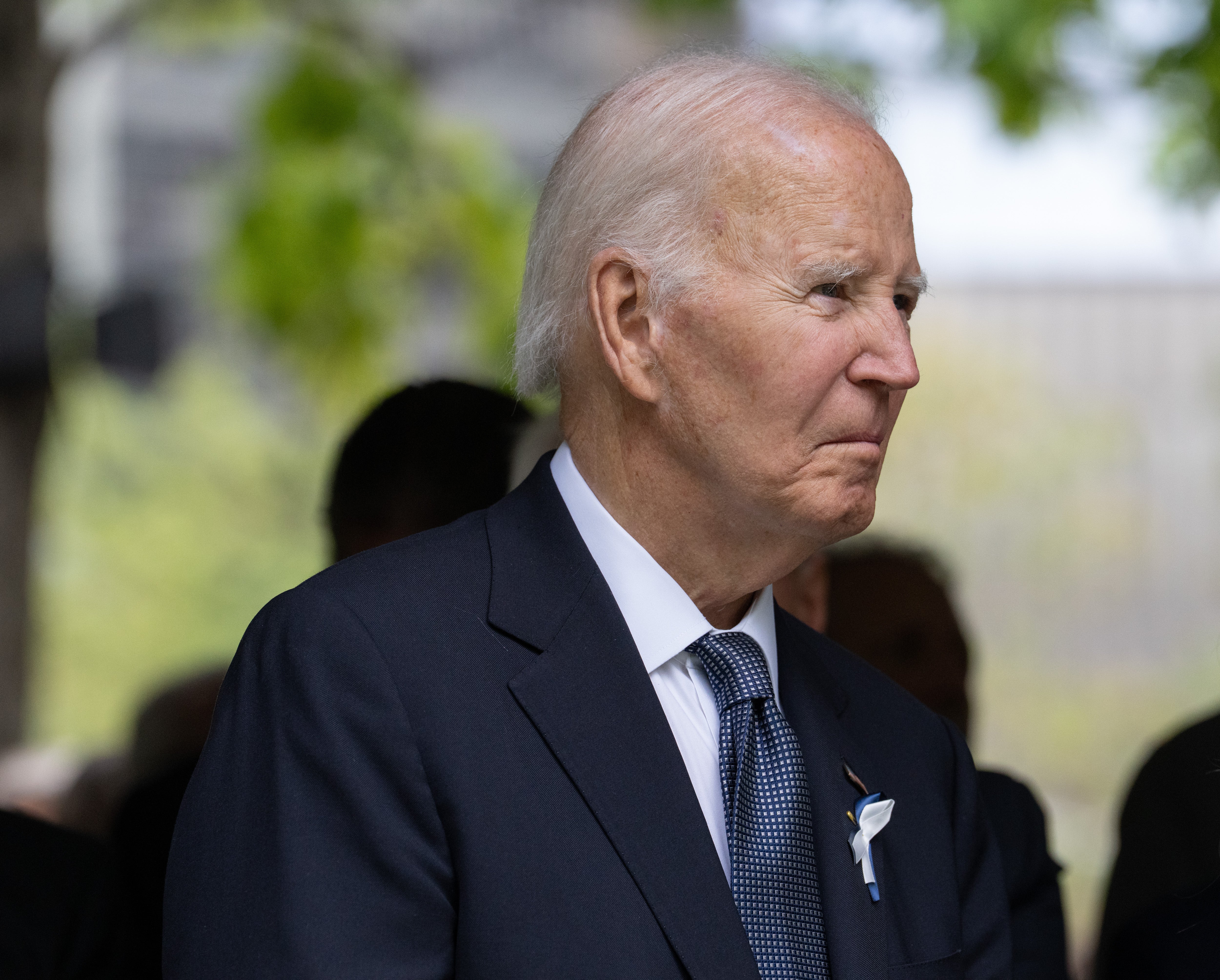
The urgency to install judges ahead of potential shifts in Senate power is a familiar Washington tactic. Democratic President Joe Biden and his party’s Senate leaders saw similar momentum before the 2022 midterms.
 open image in gallery
After Republicans failed to secure the Senate that year, Biden reached 235 confirmed judicial appointments, surpassing the total achieved during Trump’s first term by one.
Upon returning to the White House last year, the Republican president has continued his effort to reshape the federal bench, securing approval for 54 additional judges. Across both terms, his judicial appointments account for nearly one-third of the entire federal judiciary.
This expanding roster of jurists has shifted the courts rightward, anchored by Trump’s three appointments to the U.S. Supreme Court, which maintains a 6-3 conservative majority.
Since 2021, the nation’s highest court has restricted access to abortion and affirmative action, widened firearm protections, and affirmed Republican-drafted congressional maps.
However, Trump’s judicial selections have not consistently sided with his position, as seen Tuesday when he voiced dissatisfaction with his Supreme Court appointees after a ruling against a U.S. Postal Service regulation on mail-in ballots.
 open image in gallery
Among those slated for Wednesday’s committee hearing is Zach West, whose work in the Oklahoma Attorney General’s Office drew support from conservative legal advocates. In that role, West defended restrictions on abortion and argued against excluding religious institutions from participating in Oklahoma’s charter school program.
Another upcoming consideration this month involves Arkansas-based U.S. District Judge Lee Rudofsky. The White House seeks to promote Rudofsky to the St. Louis-based 8th U.S. Circuit Court of Appeals, following his pivotal ruling four years ago that curtailed aspects of the Voting Rights Act.
If Rudofsky is confirmed, Trump appointees would gain a majority on the 8th Circuit, making it the first of the nation’s 13 federal appeals courts to be dominated by his judicial selections.
Requests for comment sent to Rudofsky, West, and other nominees received no response.
Since re-entering office in January 2025, Trump and his supporters have repeatedly voiced frustration with judges who issued injunctions against administration initiatives amid hundreds of lawsuits challenging executive actions.
At the same time, the administration has doubled down on a core objective from Trump’s first term: filling trial and appellate benches with conservative lawyers and political allies across the country. Many appointees are in their late 30s or early 40s, positioning them to serve lifetime terms and influence legal policy long past his presidency
.
 open image in gallery
Judges appointed during Trump’s first term—particularly those sitting in Texas and North Dakota—frequently struck down policy moves under Biden related to immigration enforcement, student loan relief, and expanded protections for LGBTQ+ rights.
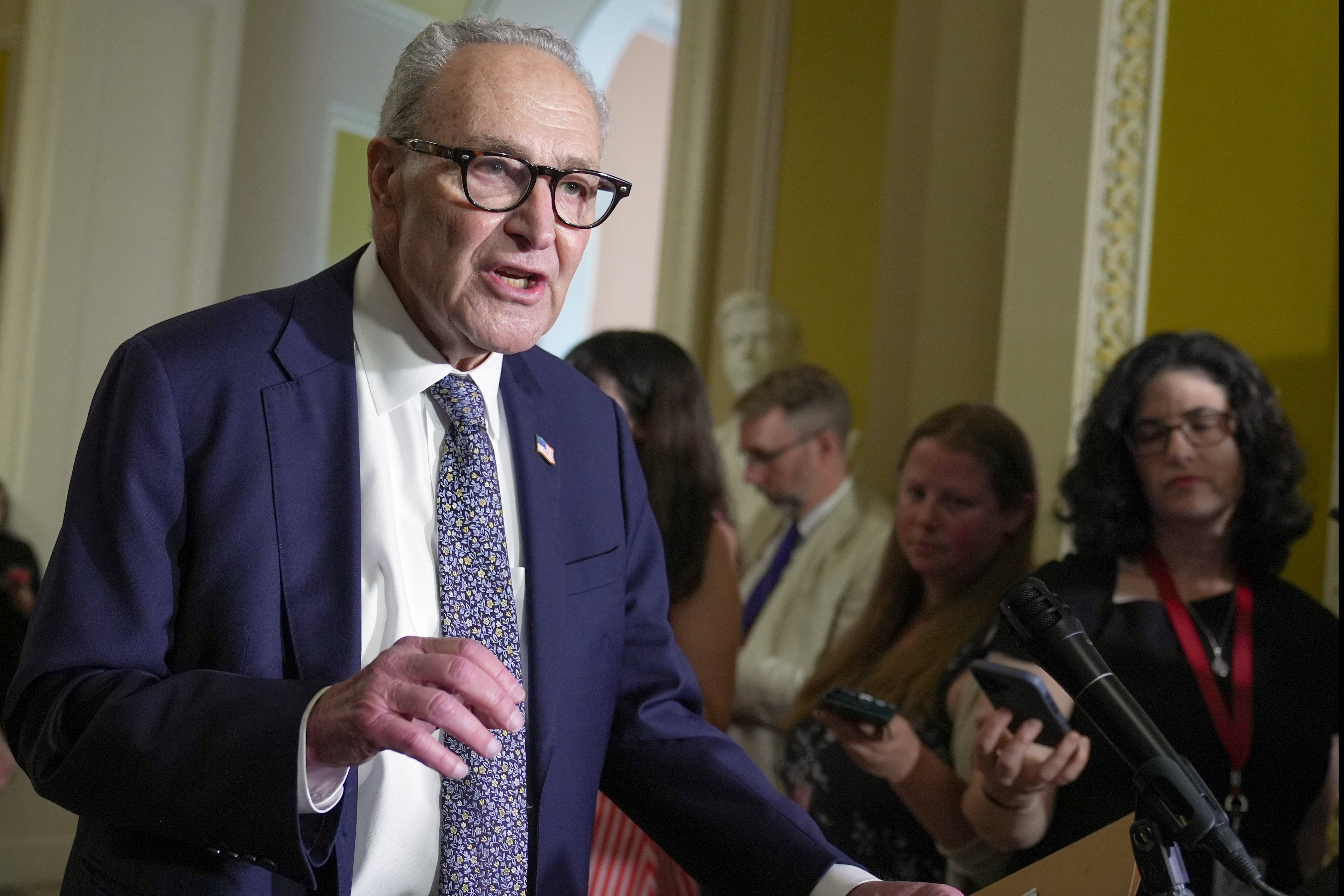
Senate Democrats contend that judicial picks during his second term demonstrate a distinct emphasis on personal loyalty. They point to committee testimony in which nominees systematically declined to state explicitly that Trump lost the 2020 election, instead offering that Biden was “certified” the winner.
In response, the administration maintained that it selected candidates strictly on merit.
“President Trump selects highly qualified and credentialed judicial nominees who have passed the White House’s rigorous vetting process,” White House spokeswoman Lauren Bis said in a statement.
“Wherever there are judicial vacancies, President Trump will select highly qualified nominees with great respect for our Constitution and rule of law to be confirmed expeditiously.”
During his current term, three of Trump’s 13 appellate choices previously represented him as personal attorneys, including Emil Bove, who now serves on the Philadelphia-based 3rd U.S. Circuit Court of Appeals. The remaining two have likewise secured Senate confirmation.
 open image in gallery
Nonetheless, many of the president’s recent nominees share backgrounds comparable to his earlier judicial appointments.
A significant number belong to the conservative Federalist Society, including West and Courtney Coker, a prosecutor set for Wednesday’s hearing who has been nominated to the U.S. District Court for the Northern District of Texas—a venue conservative plaintiffs frequently choose to challenge policies enacted by Democrats.
More about
Donald TrumpJoe BidenadministrationSenate Judiciary CommitteeCongress
Join our commenting forum
Join thought-provoking conversations, follow other Independent readers and see their replies
Most popular
Popular videos
Bulletin
Read next
Fonte: – World RSS Feed