‘Very distressing’ release of Australian serial killer triggers protests from families of victims
Por Shweta Sharma — – World RSS Feed
‘Very distressing’ release of Australian serial killer triggers protests from families of victims
James Vlassakis and his associates murdered 11 people over a span of seven years in one of the country’s most notorious criminal cases
Shweta Sharma Wednesday 16 September 2026 10:35 BST
- Bookmark
Bookmark popover
Removed from bookmarks
Close popover
 open image in gallery
Your support helps us to tell the story
Read more Support Now
From reproductive rights to climate change to Big Tech, The Independent is on the ground when the story is developing. Whether it’s investigating the financials of Elon Musk’s pro-Trump PAC or producing our latest documentary, ‘The A Word’, which shines a light on the American women fighting for reproductive rights, we know how important it is to parse out the facts from the messaging.
At such a critical moment in US history, we need reporters on the ground. Your donation allows us to keep sending journalists to speak to both sides of the story.
The Independent is trusted by Americans across the entire political spectrum. And unlike many other quality news outlets, we choose not to lock Americans out of our reporting and analysis with paywalls. We believe quality journalism should be available to everyone, paid for by those who can afford it.
Your support makes all the difference. Read more
The youngest person jailed for the Snowtown murders in Australia is set to walk free after 26 years in what the families of the victims are calling a “distressing” development.
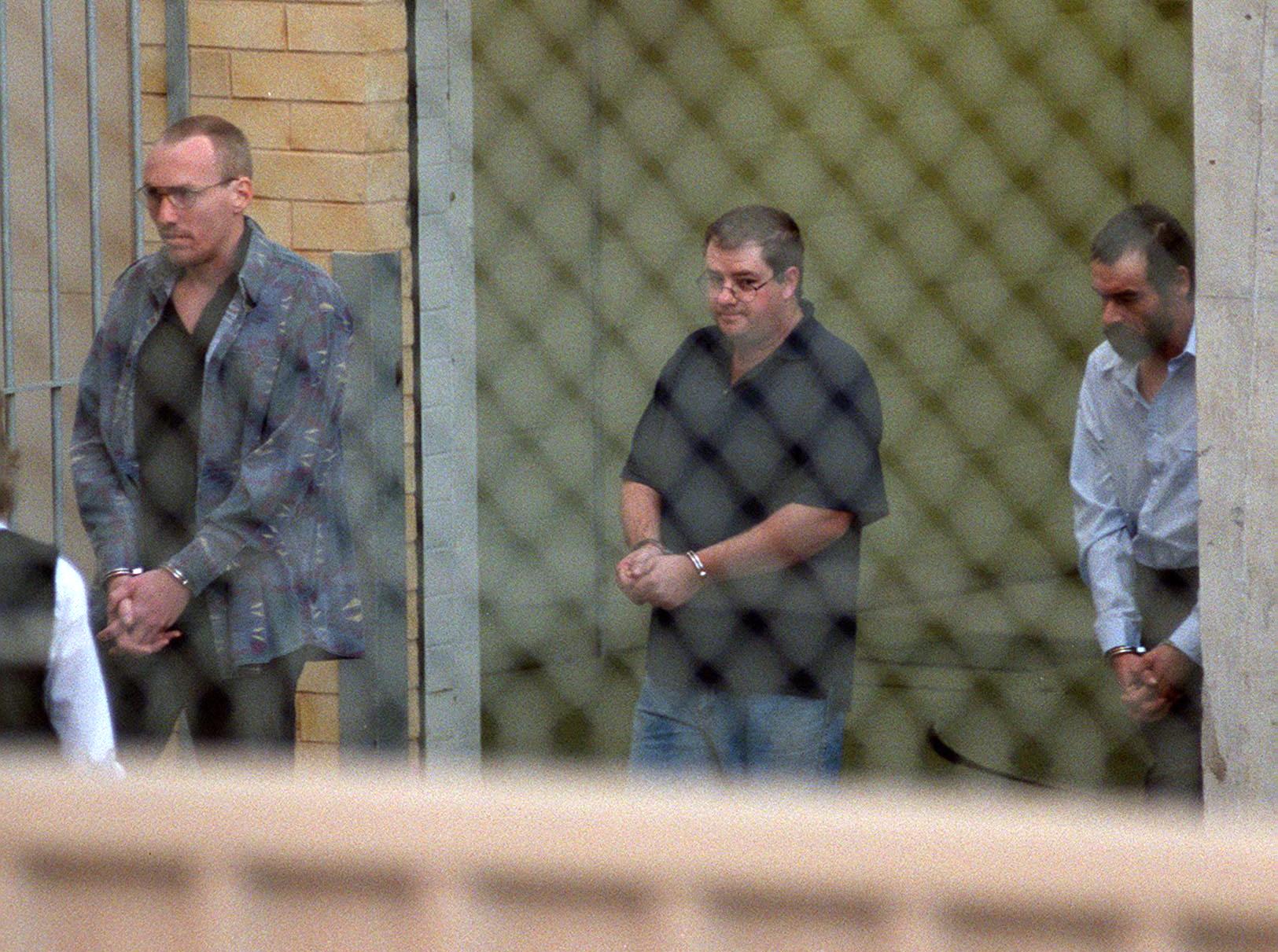
James Vlassakis, John Justin Bunting, and Robert Joe Wagner were convicted of murdering 11 people between 1992 and 1999 in one of the country’s most notorious criminal cases.
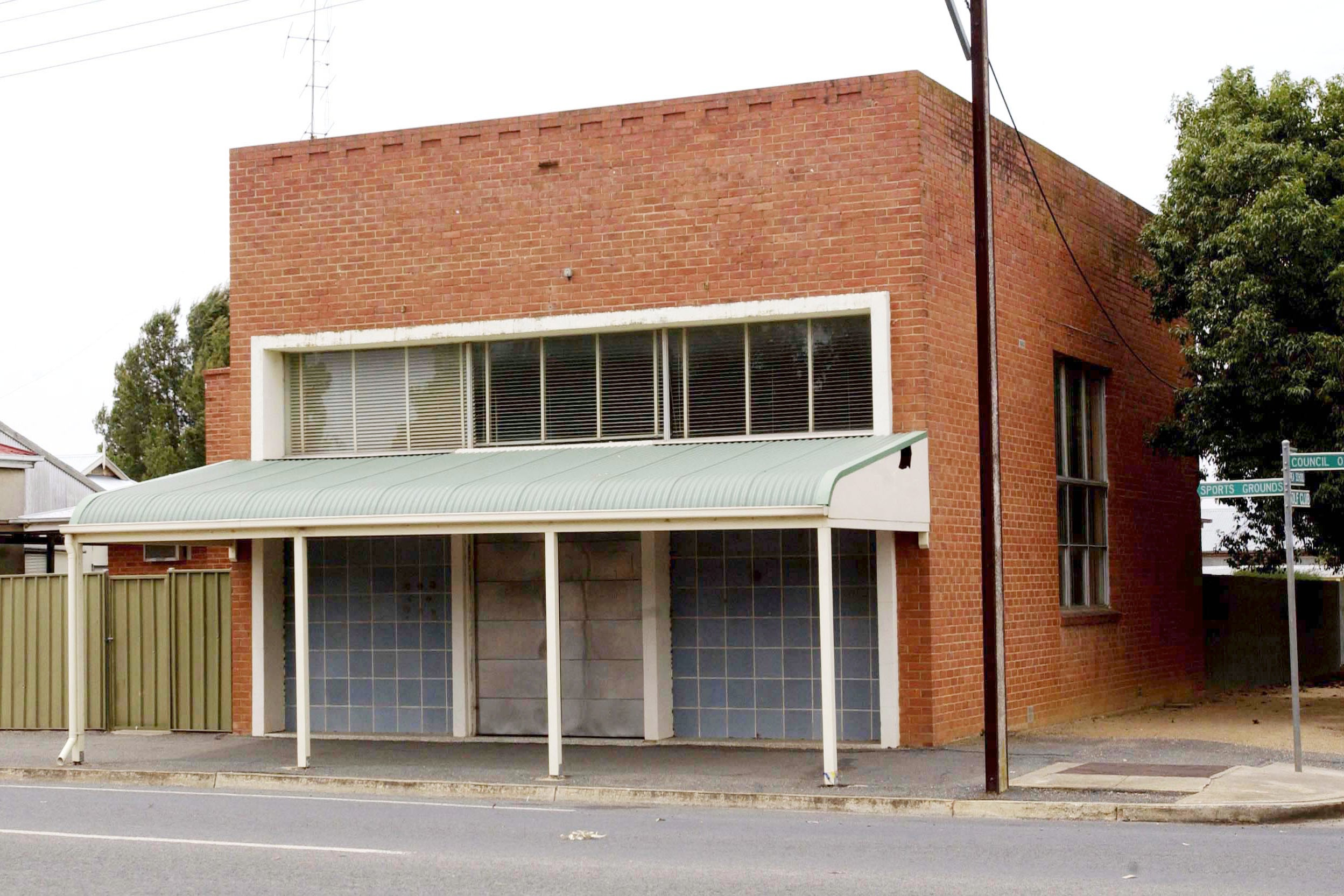
A fourth person, Mark Haydon, was convicted of helping to dispose of the bodies, most of which were found, in 1999, dumped in acid barrels in Snowtown, a settlement north of the South Australia capital Adelaide, leading to the case being dubbed “bodies-in-barrels murders”.
Vlassakis was 18 when he became involved in the killings in 1998. He pleaded guilty to four murders, including those of a half-brother and a stepbrother. He turned a star witness for the prosecution and was sentenced to life in prison with a minimum term of 26 years, which expired in August of last year.
That same month, the South Australia Parole Board approved the serial killer’s release, rejecting the state government’s bid to block it.
On Tuesday, the South Australia Court of Appeal upheld the board’s decision.
Bunting and Wagner, sentenced to multiple life terms without parole, remain in prison. Haydon was released in 2024.
The decision to approve Vlassakis’s release was “very distressing” for the families of the victims, said Sarah Quick, commissioner for victims’ rights.
“Despite the fact that they had prepared themselves for this outcome, the news still really came as a shock,” she told ABC News. “It did result in anxiety and grief.”
Karen Davies, sister of Ray Davies, one of the victims killed in 1995, called the decision “horrifying” and said her “fears came true”.
When she learned of Vlassakis’s release, Ms Davies told Women’s Day magazine, she “broke down and cried”.
“My legs were shaking and I thought I was going to pass out.”
She noted that while Vlassakis had provided information to police, “he still murdered four people” and “this isn’t the outcome we were hoping for”.
She fears crossing paths with the convict as she will likely be living 20–30 minutes from him.
Ronald Lane, nephew of another victim, Barry Lane, said his family had been “let down by the system”, and left “terrified, shaken and rattled”.
“I’ll be looking over my shoulders all the time wondering who’s around and who’s coming up behind me.”
 open image in gallery
A former director of public prosecutions also criticised the decision, demanding a radical overhaul of the parole system.
Stephen Pallaras said a four‑time murderer should not be rewarded for good behaviour and should never be allowed back into the community.
“It’s just a horrendous decision and demands that we have a look at the system that allows him to walk free,” he told 7NEWS.
“I am not looking for longer sentencing. But if you get ten years, you do ten years, not six and a half.”
The parole board’s chair, Frances Nelson KC, said on Wednesday that Vlassakis was still in prison, but would “at some point” be moved to the Adelaide Pre-release Centre.
“We automatically do that with every life-sentence prisoner because it allows for a period of adjustment,” she said.
Parole Administrative Review Commissioner David Lovell KC said Vlassakis’s parole conditions would subject him to “random drug testing”.
Ms Nelson noted that Vlassakis’s drug tests in jail had come back positive several times and that it was “quite likely” he would be sent back to prison for defying parole conditions. “We take that sort of thing fairly seriously,” she said. “He doesn’t have a drug problem currently that we can see.”
Vlassakis, because he was given a life sentence, would be permanently under parole conditions. “If Mr Vlassakis breached his parole conditions,” Ms Quick said, “my office would become involved again and contact the victims.”
More about
Most popular
Popular videos
Bulletin
Read next
Fonte: – World RSS Feed