Supreme Court deals humiliating blow to Trump by throwing out mail ballot ban
Por Lindsay Whitehurst — – World RSS Feed
Supreme Court deals humiliating blow to Trump by throwing out mail ballot ban
The Supreme Court on Monday rejected President Donald Trump’s bid to restrict mail ballots for the midterm elections
Lindsay Whitehurst Tuesday 15 September 2026 10:31 BST
- Bookmark
- Comments Go to comments
Bookmark popover
Removed from bookmarks
Close popover
Your support helps us to tell the story
Read more Support Now
From reproductive rights to climate change to Big Tech, The Independent is on the ground when the story is developing. Whether it’s investigating the financials of Elon Musk’s pro-Trump PAC or producing our latest documentary, ‘The A Word’, which shines a light on the American women fighting for reproductive rights, we know how important it is to parse out the facts from the messaging.
At such a critical moment in US history, we need reporters on the ground. Your donation allows us to keep sending journalists to speak to both sides of the story.
The Independent is trusted by Americans across the entire political spectrum. And unlike many other quality news outlets, we choose not to lock Americans out of our reporting and analysis with paywalls. We believe quality journalism should be available to everyone, paid for by those who can afford it.
Your support makes all the difference. Read more
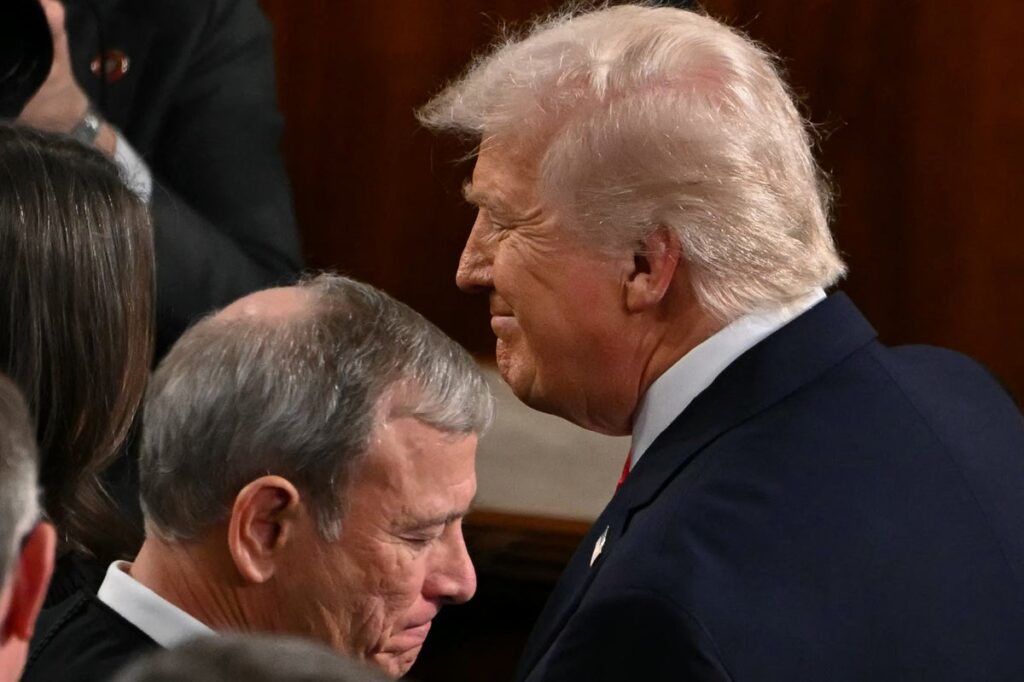
On Monday, the Supreme Court turned down President Donald Trump’s request to limit mail-in voting ahead of the midterm elections, ending a series of urgent legal challenges as voting is already underway.
This ruling allows states to keep distributing mail ballots using long-standing procedures that have traditionally accounted for roughly a third of all votes.
The outcome delivers a major setback to Trump on a key priority he has repeatedly framed as essential to election integrity, despite virtually no evidence of fraudulent mail balloting.
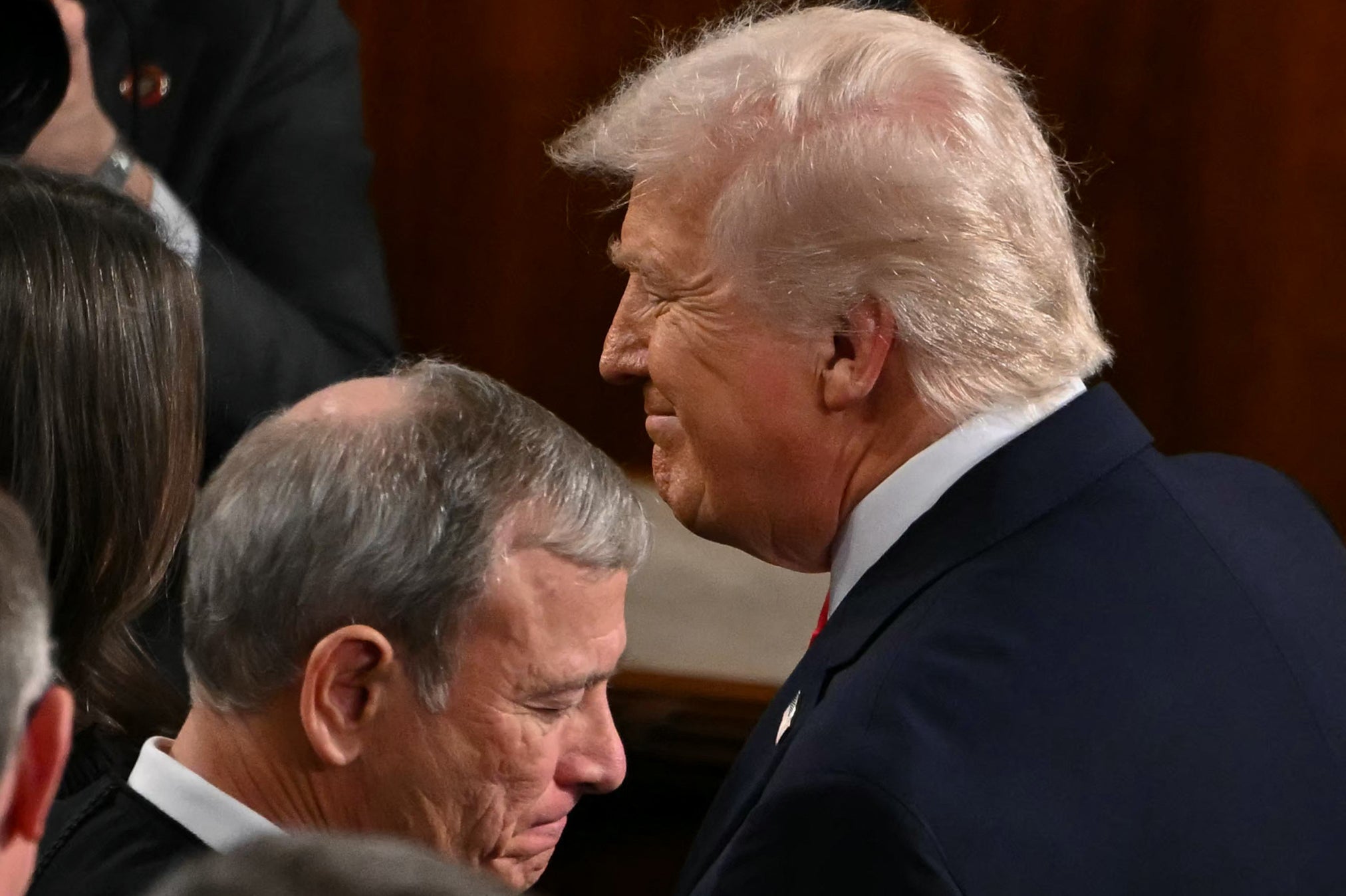
The Supreme Court majority indicated that the effort to enact these restrictions this year would probably prove unsuccessful legally, though its brief emergency order provided no extensive rationale. Two justices, Samuel Alito and Clarence Thomas, publicly dissented.
 open image in gallery
Placed once more at the center of a turbulent political dispute, the justices had been urged by the Trump administration to facilitate the restrictions before crucial November elections for control of Congress.
In his dissent, Alito asserted that the Postal Service “has broad authority to regulate the mail” and likely possesses the power to implement Trump’s policy.
Meanwhile, Justice Brett Kavanaugh concurred that the changes should not take effect during the midterms, but hinted he might side with the Trump administration if the dispute returns to the court later.
Ruling ensures 2026 midterm mail ballots will go out as normal
Election officials said a complete overhaul of election procedures in the final weeks before the midterms was simply impossible. Alabama, North Carolina, and Wisconsin had already started mailing ballots to registered voters over the past week, even as the proposed system remained inactive.
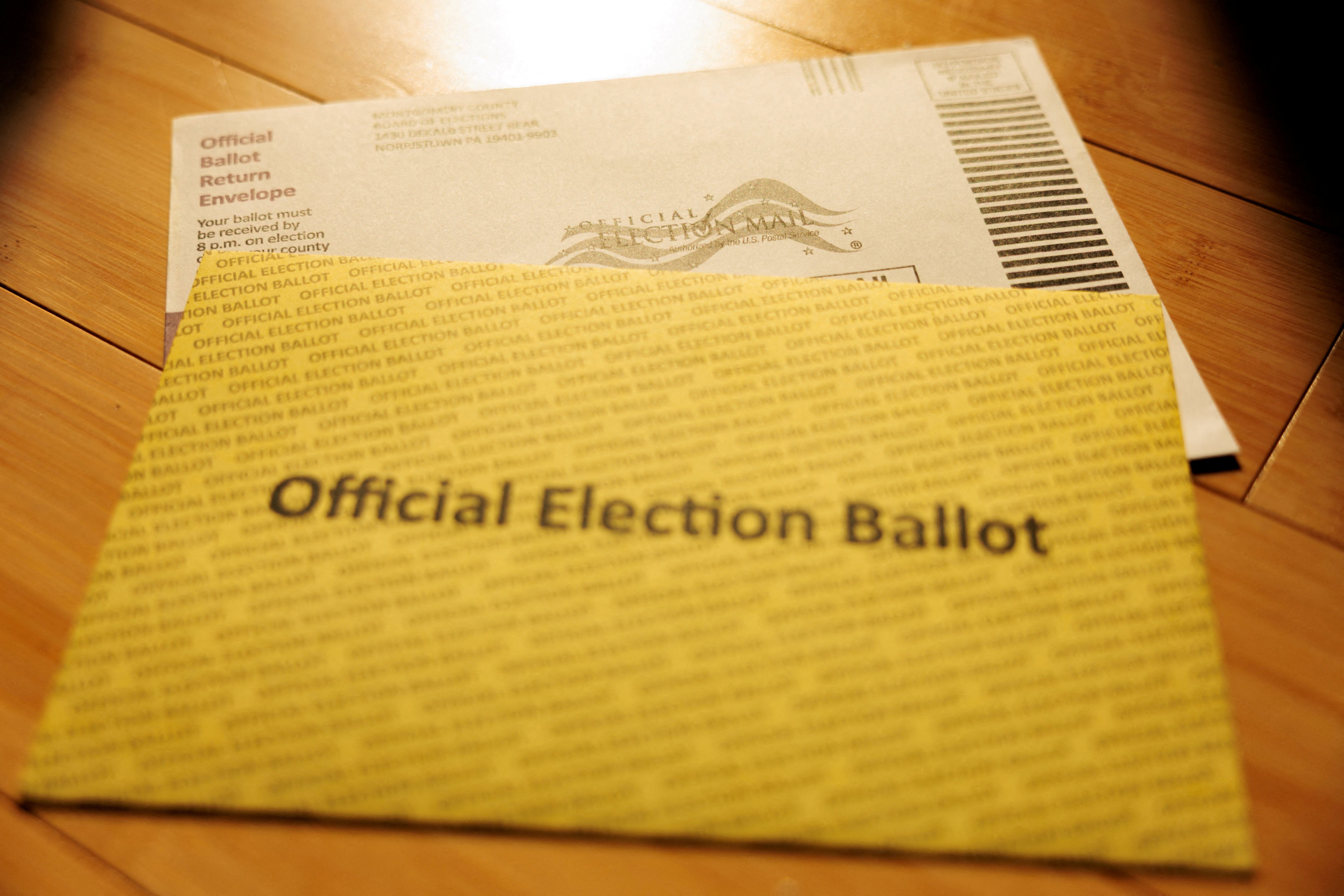
The plan proposed by Donald Trump’s administration would obligate individual states to implement a standardized envelope design and submit voter eligibility lists through an online portal. Under the proposal, the Postal Service would be empowered to refuse delivery of mail-in ballots from any state that failed to comply with these rules.
 open image in gallery
The legal push came as Donald Trump repeatedly sought Supreme Court intervention over restrictions on mail-in voting ahead of the looming midterm elections. An appeals court had previously defeated Donald Trump over his executive order on vote-by-mail policies. However, the Supreme Court ultimately removed the cloud of uncertainty hanging over the midterms, allowing vote-by-mail ballots to be delivered to voters as normal.
These administrative efforts threatened significant disruption, particularly in states that rely primarily on mail-in voting. Washington Democratic Secretary of State Steve Hobbs explained that the court ruling ensures efforts “to carry out a safe, secure, and accurate election” may proceed “without having to upend our election processes to meet unrealistic ballot mail requirements.”
Similarly, in Arizona, another state that relies predominantly on voting by mail, Democratic Secretary of State Adrian Fontes emphasized: “it is crucial for us to continue rejecting the notion that access and security are mutually exclusive when it comes to running strong elections.”
 open image in gallery
Adding to the bipartisan consensus among state officials, Utah Lt. Gov. Deidre Henderson, a Republican serving as the state’s chief election officer, posted on social media that the Supreme Court ruling ensures “Utahns can have confidence that the 2026 election will proceed as normal.”
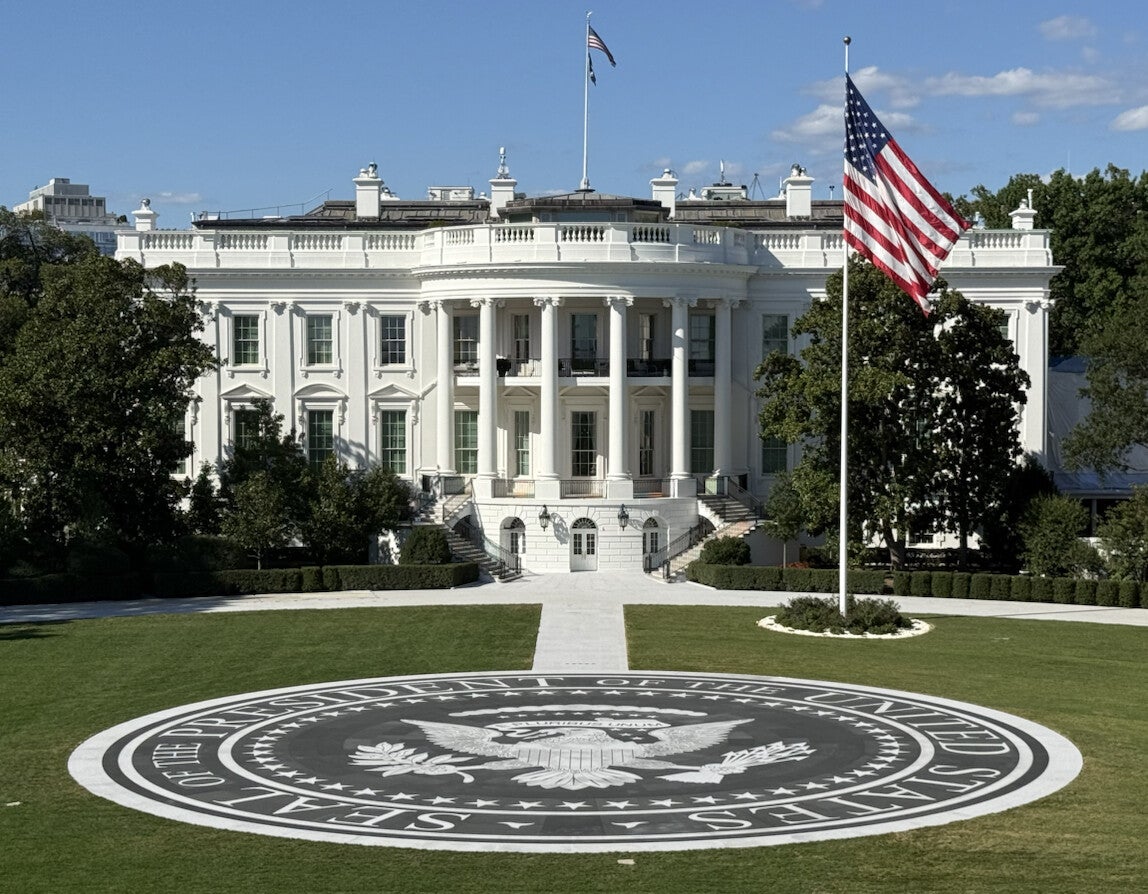
While neither the White House nor the Justice Department immediately replied to requests for comment, officials have previously described the proposed rules as sensible modifications designed to safeguard election security.
Leaked report revealed glitchy portal could toss millions of mail-in votes over barcode errors
Voting rights organizations and Democratic state officials challenged the restrictions in court, asserting that the president lacks constitutional authority to enact rules that would “virtually eliminate mail voting on the eve of a major election.”
A whistleblower report warned that the postal system’s requirements could prevent millions of mail ballots from ever being sent, noting that glitches in an unready portal meant a single bar code mistake could cause an entire batch to be discarded.
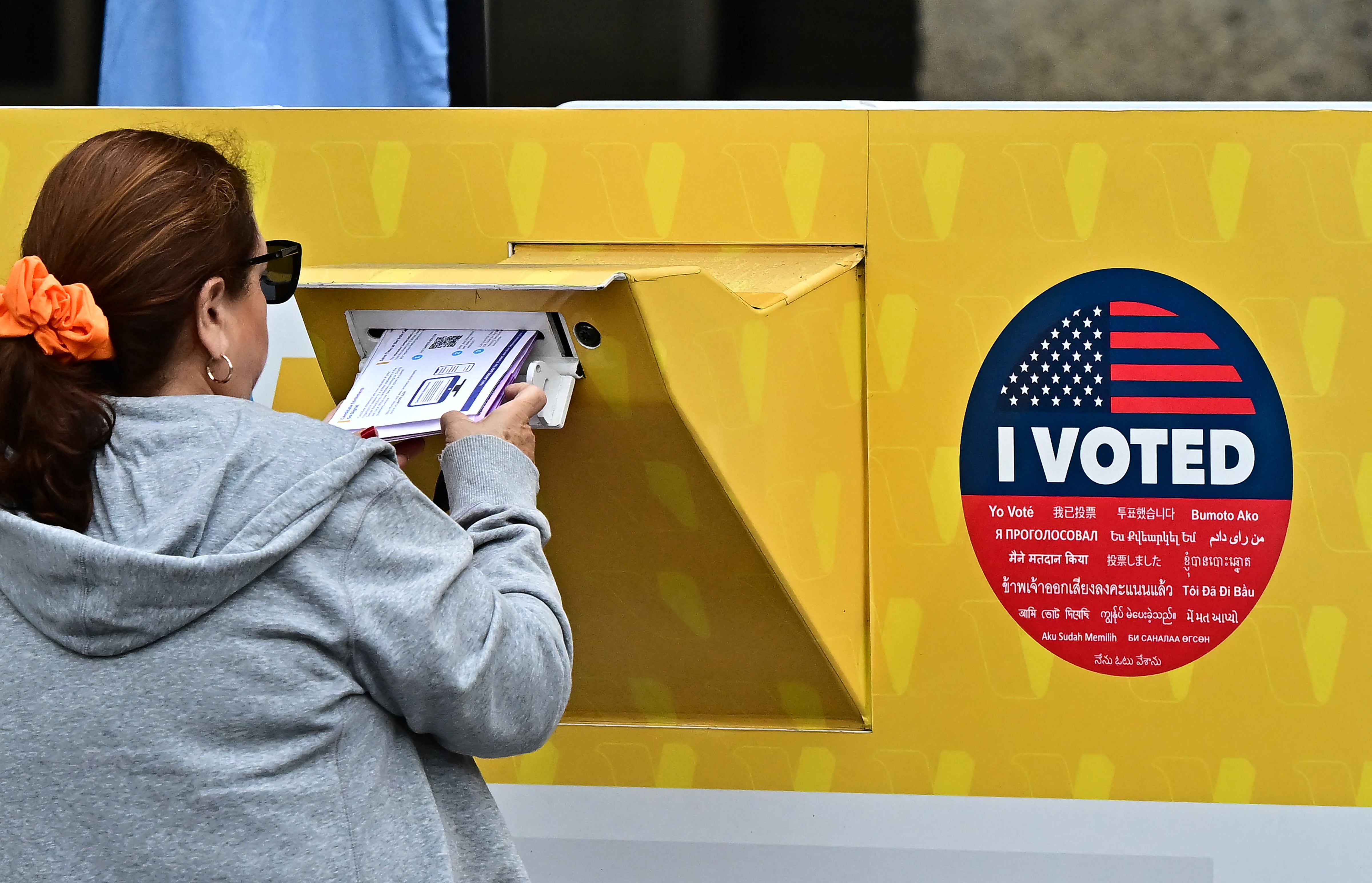
According to documents submitted to the court, several states lack the necessary infrastructure to rapidly shift back to in-person voting.
 open image in gallery
The League of Women Voters, serving as a plaintiff in the legal case, described the proposed rules as “an extraordinary attempt to interfere with voting” and warned they would throw elections into chaos. “Voters should never be caught in the middle of a political power warfare,” said CEO Celina Stewart.
Lower courts moved to block Trump’s plan, including through a preliminary injunction issued by a judge nominated by the president.
However, the Trump administration appealed to the Supreme Court, arguing that federal authority over the Postal Service allows it to set mail ballot rules and that compliance was possible.
The federal government secured an early procedural decision from the Supreme Court, but the justices explicitly refrained from deciding the plan’s ultimate legality.
Trump has long opposed mail voting and falsely blamed the process for his 2020 defeat to Democrat Joe Biden, despite frequently using that method to cast his own ballot, including as recently as this year.
A report published by the Brookings Institution in 2025 found that mail voting fraud occurred in only about four cases out of every 10 million mail ballots cast.
More about
Donald TrumpSupreme Courtmail ballotsBrett Kavanaughsamuel alito
Join our commenting forum
Join thought-provoking conversations, follow other Independent readers and see their replies
Most popular
Popular videos
Bulletin
Read next
Fonte: – World RSS Feed


