Medvedev assesses risks of AI destroying mankind
TASS
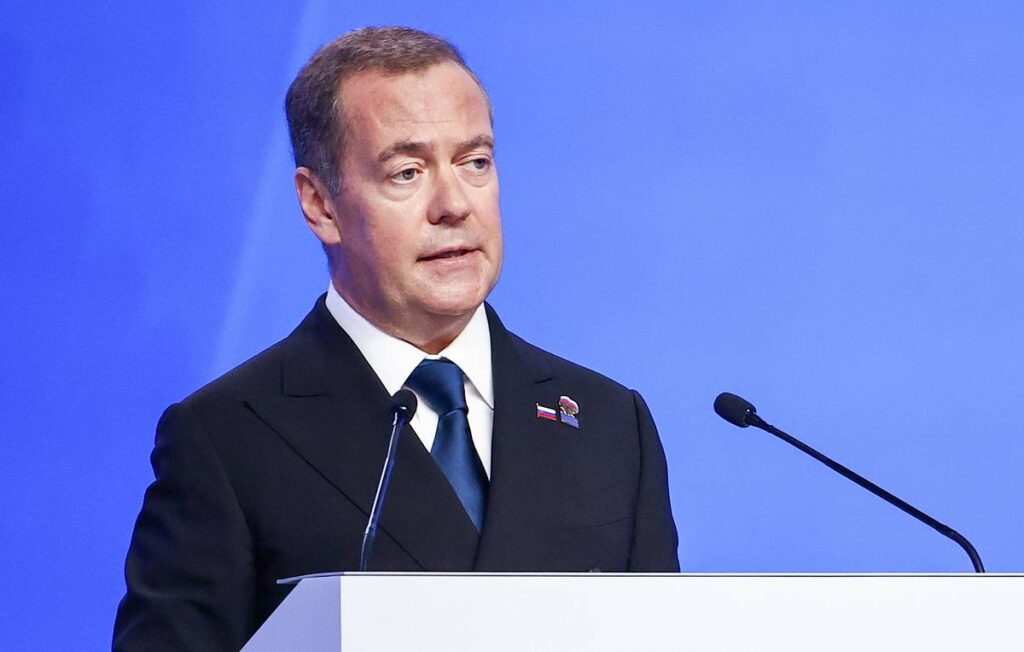
MOSCOW, September 14. /TASS/. Artificial intelligence (AI) is unlikely to destroy mankind but severe damage is possible, Russian Security Council Deputy Chairman Dmitry Medvedev said.
Commenting on speculations by AI creators "bemoaning humanity’s haste" and warning "that AI is dangerous, unpredictable, and developing too fast according to laws we don’t quite fathom," he said: "The creators of various sorts of generative AI are not being sincere. It’s not you and I or Homo sapiens as a whole that they fear for. They’re not afraid that an unhinged AI, drunk on its power, will destroy humankind. This kind of outcome is not all that likely."
"What’s much more realistic is a scenario where software that uses advanced AI for running a major production facility or a transport hub will cause severe damage. Such as allowing planes to collide in midair or destroying a nuclear power plant. And then there will be someone coming for the creators of generative AI – to slap them with multibillion lawsuits or simply to knock their (human) brains out," Medvedev added.
"Are these fears real? Especially given that many smarty-pants like Musk and others have been saying this for a long time. The answer is simple: they’re real. By the way, I myself wrote about it in a recent article for the Expert magazine," he said.
Medvedev believes that "the most obvious solution would be for countries to agree on general principles of AI regulation." "That would give us all at least some chance of keeping AI development under control. But it won’t happen due to corporate greed and insatiable human passion," he specified.
"So our only hope is to throw ourselves at the mercy of the winner and count on the humanism that AI, our beloved man-made prodigy, might show us. It doesn’t have overt emotions yet, but we don’t know what this great superintelligence will be like. Let’s hope it will spare its parents," the Russian Security Council deputy chairman concluded.
Fonte: TASS