Trump dangled his $5k ‘dividend’ to voters. Here’s how other countries have been buying elections for decades
Por Bryony Gooch — – World RSS Feed
In Depth Trump dangled his $5k ‘dividend’ to voters. Here’s how other countries have been buying elections for decades
Trump’s pledge to buy American voters has shocked many but such practices have been taking place in elections across the globe for decades, Bryony Gooch reports
Thursday 10 September 2026 16:30 BST
- Bookmark
- Comments Go to comments
Bookmark popover
Removed from bookmarks
Close popover
Your support helps us to tell the story
Read more Support Now
From reproductive rights to climate change to Big Tech, The Independent is on the ground when the story is developing. Whether it’s investigating the financials of Elon Musk’s pro-Trump PAC or producing our latest documentary, ‘The A Word’, which shines a light on the American women fighting for reproductive rights, we know how important it is to parse out the facts from the messaging.
At such a critical moment in US history, we need reporters on the ground. Your donation allows us to keep sending journalists to speak to both sides of the story.
The Independent is trusted by Americans across the entire political spectrum. And unlike many other quality news outlets, we choose not to lock Americans out of our reporting and analysis with paywalls. We believe quality journalism should be available to everyone, paid for by those who can afford it.
Your support makes all the difference. Read more
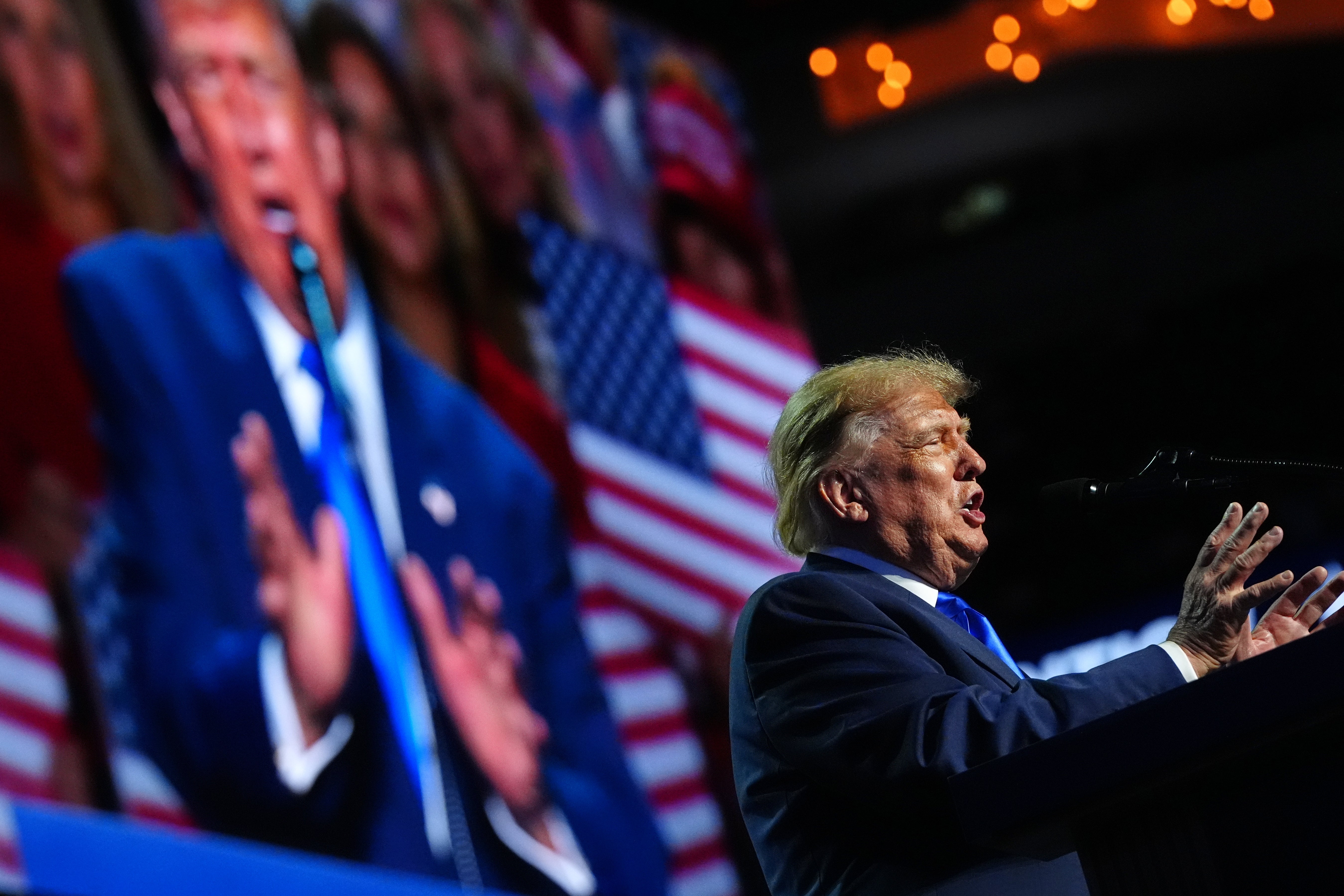
D onald Trump has been accused of attempting electoral bribery after promising every American voter $5,000 if the Republicans triumph in the 2026 midterms.
The US president explained his plan during his speech at the Republican midterm convention in Texas on Wednesday, saying: “If the Republicans win, you win with us, and you get $5,000.
“It will be called the Trump Dividend.”
Few details have been released of the plan, or how it would be funded, although NBC News‘ White House correspondent Ryan Nobles declared on live television that it would be “absolutely impossible” as it would cost “over a trillion dollars”.
Professor Elizabeth David-Barrett, who runs the Centre for the Study of Corruption at the University of Sussex, said it was “very blatant attempt to incentivise people to vote for the Republicans”.
 open image in gallery
“Whether you call it vote buying or not, often we do see candidates giving out money before elections with the expectation that that will persuade people to vote for them, and then there are varying degrees of to what extent they try to ensure that that expectation is fulfilled. This is slightly different because it’s a promise of what people would get after a result.
“So they’re not giving out the money now, but they are still offering this up as a kind of incentive for a certain outcome.”
But Trump isn’t the first leader who has engaged in vote buying – it is a practice that’s been recorded across the world for decades.
Here are the other countries where leaders have offered money or gifts in return for votes.
Hungary
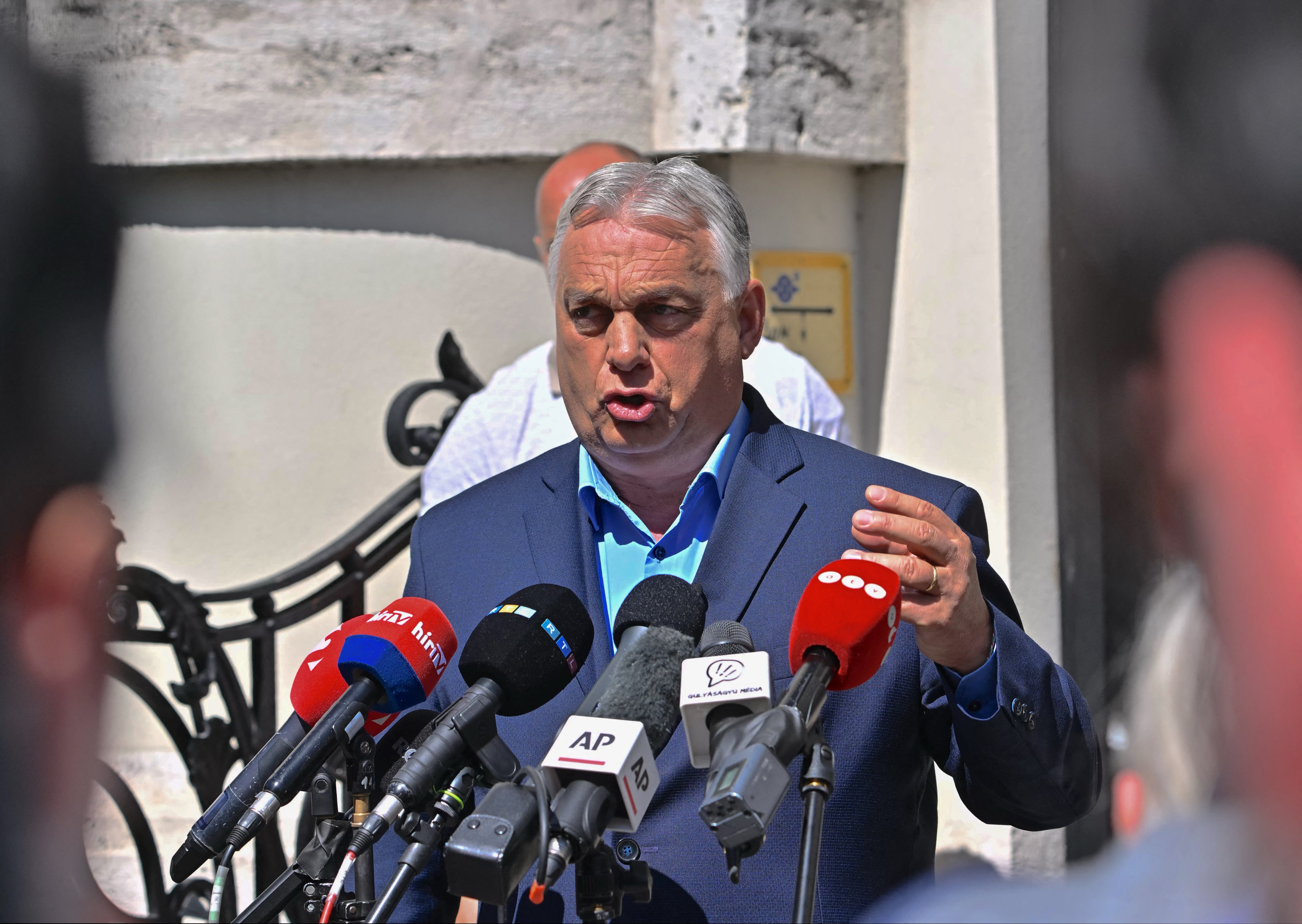
Although Viktor Orban is no longer in charge of Hungary’s government, in the 16 years he was in power, vote buying was observed as happening at a local level, according to Professor David-Barrett.
 open image in gallery
“Under the Orban regime, at the local level there would be quite a systematic operation of vote buying which would be targeting the poorest and most vulnerable people.
“Candidates would make it clear that if people voted a certain way, they would be able to retain their jobs if they had worked in public workfare schemes, or retain access to other things controlled by the local government like electricity and clean water.”
Indonesia
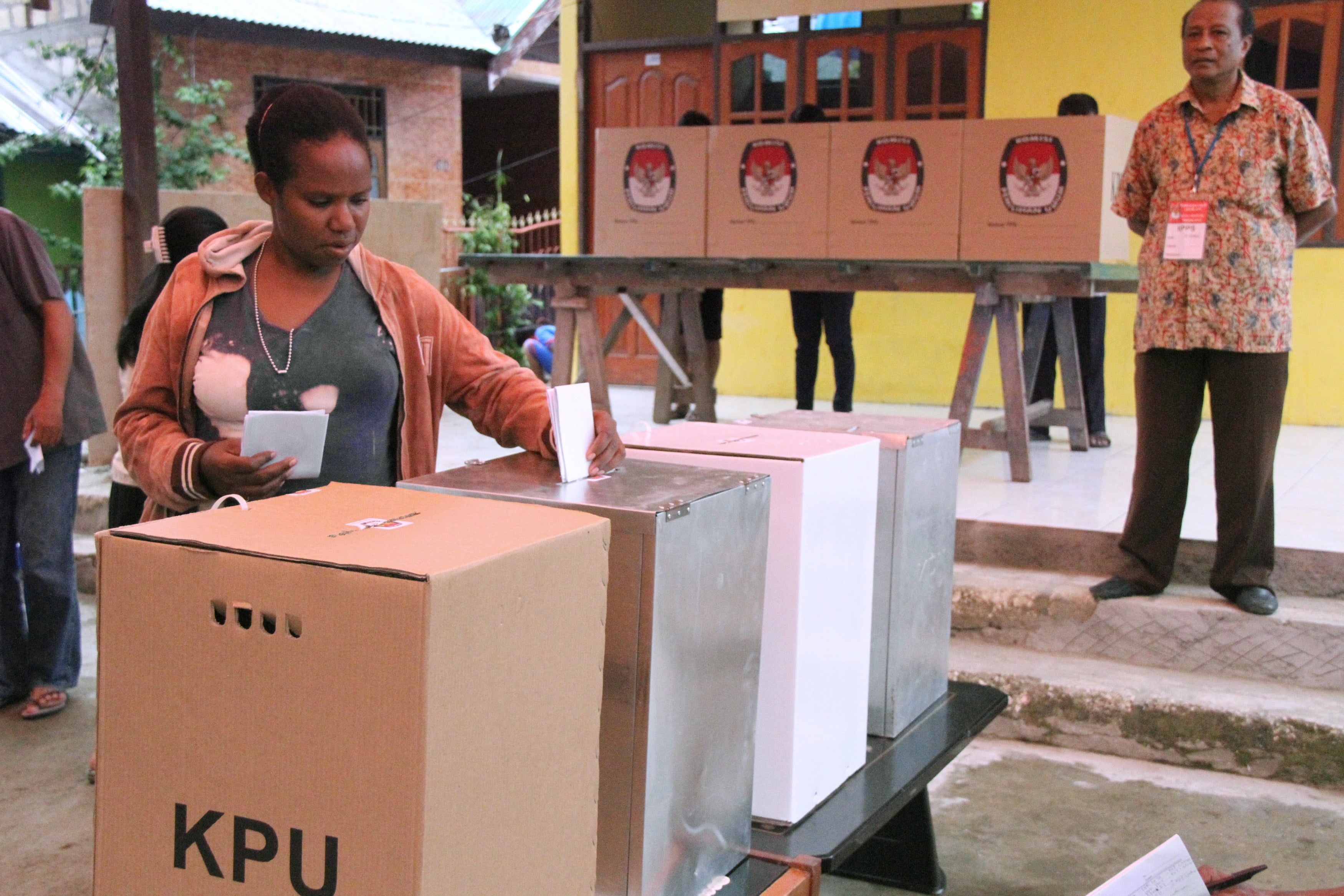
During Indonesia’s 2014 legislative election, vote buying was recorded in a number of places in Java with candidates delivering envelopes of cash to voters.
An incumbent running for a seat in Java’s house of representatives had a list that contained 320,000 names, according to a study by the University of Cambridge. Serious district-level candidates, who needed to secure a much smaller total vote, typically compiled lists of between 10,000 and 30,000 names to be “recruited”.
 open image in gallery
Researchers said that as voting day approached, multiple envelopes from different candidates might circulate in a single village containing up to 50,000 rupiah (£2.10). Some candidates would make a one-off payment while others made it in two tranches: a down payment and a second instalment close to voting day.
In the district of Pati, one candidate – a major rice wholesaler – was famous for distributing packets of rice alongside cash.
Russia
During the 2018 elections in Russia, where Vladimir Putin was voted in for a fourth term with an overwhelming 77.53 per cent of the vote, government employees, as well as workers as private companies, reportedly came under pressure to vote. International monitors widely regarded the election as a sham.
One Moscow-based company said it would provide free cinema tickets to any employees who voted, as well as their friends and family, according to The Guardian.
“Colleagues, we ask you all to fulfil your civic duty by 16:30, and also to involve your relatives and friends. We expect vote coordinators to provide information every 90 minutes in order to allow time for reports to be drawn up,” an email reportedly read. “Please be tactful when speaking to relatives and do not disclose the contents of this message.”
 open image in gallery
Japan
In 1994, new campaign reform laws were brought in to clear out an infamous trend of money politics that had become embedded in Japan’s democracy.
Prior to this, election season was marked in the rural north east of Japan with free meals for voters who dropped by campaign headquarters and free-flowing sake, according to the Los Angeles Times.
Some voters even received cash up to 60,000 yen (£288) in envelopes slipped under their doors.
Moldova
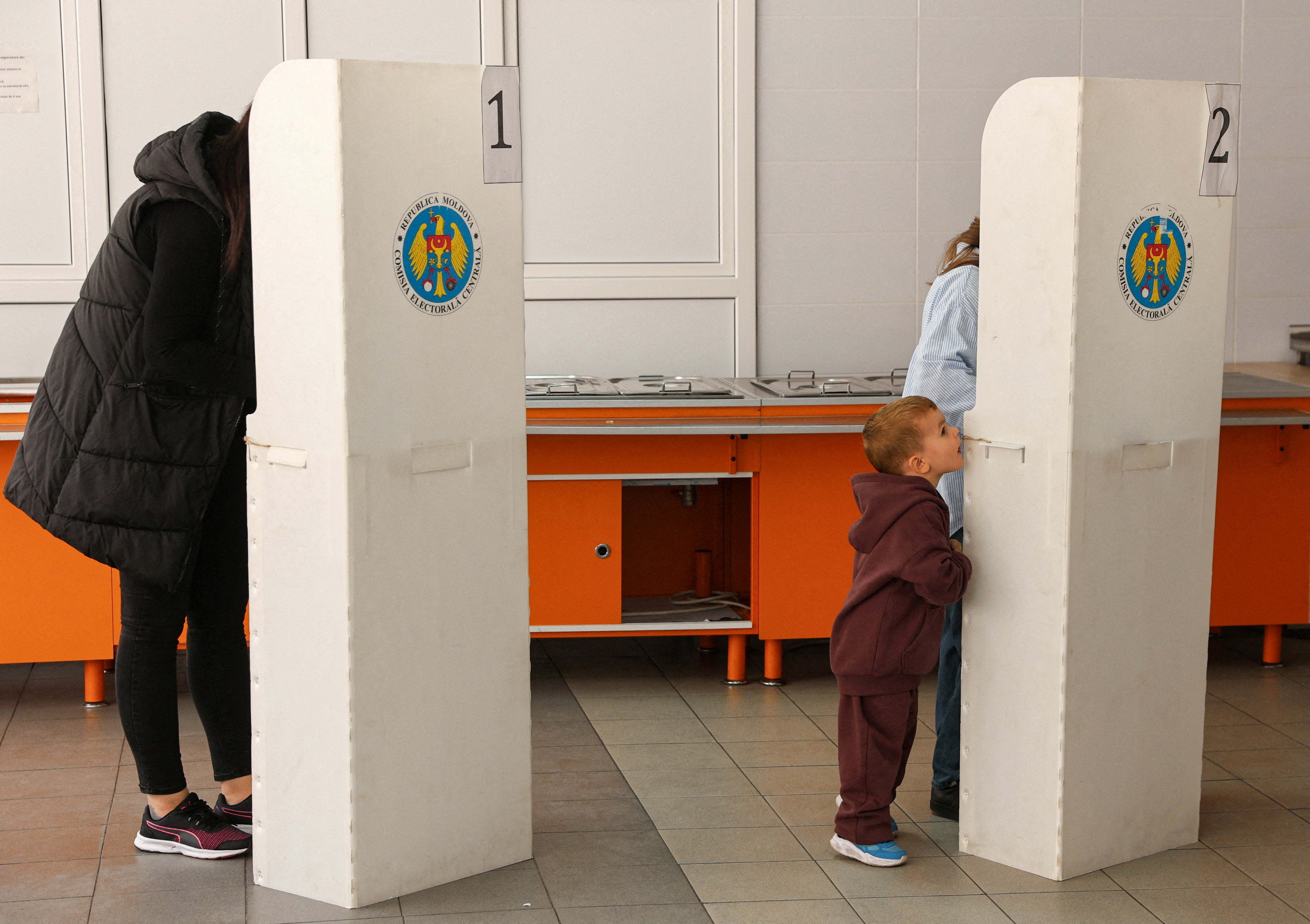
Reports of Russian interference loomed large over Moldova’s 2025 elections, with reports of a large vote‑buying scheme in action as well as cyberattacks and disinformation campaigns.
Prime minister Dorin Recean presented evidence that vote‑buying was being financed by Russia.
“Russia is spending hundreds of millions of euros to buy votes in the 28 September election. Our state WILL NOT allow vote theft to become an ‘electoral coup,’” he said.
“We are also seeing that some parties financed by the Russian Federation are preparing an electoral corruption scheme known as the ‘carousel.’ How it works: someone enters a polling station with a fake ballot that is put in the box while an authentic ballot is removed, stamped for a target party and then smuggled out. That stamped ballot is handed to the next voter in exchange for money, and is used again at the next polling station.”
More about
RepublicansNBC NewsDonald Trumpmidterms
Join our commenting forum
Join thought-provoking conversations, follow other Independent readers and see their replies
Most popular
Popular videos
Bulletin
Read next
Fonte: – World RSS Feed